Risen Energy Marks 18 Years in Australia with Two HJT Module Launches


Risen Energy has marked 18 years in Australia, having established its local presence in 2008. Over that period, the company has expanded across Australia's renewable energy market, supplying solar products for applications ranging from utility-scale solar farms to commercial and industrial sites, homes and communities.
Risen Energy said its manufacturing processes, production equipment and quality-control systems are designed to ensure that its products can withstand long operating periods and Australia's diverse climatic conditions. As the country's energy transition advances, the company has moved beyond individual technologies by vertically integrating four core capabilities: PV modules, inverters, energy storage systems and intelligent energy management platforms. Together, these technologies form an integrated generation-grid-load-storage solution covering the full solar-plus-storage value chain.
Risen Energy said its growth in Australia has also depended on an understanding of local market conditions and continued cooperation with customers and industry partners. The company has worked with local stakeholders through project delivery and technology development to address the practical challenges arising from Australia's energy transition.
To mark its 18th year in the market, Risen Energy held an anniversary dinner at Crown Towers Melbourne on 27 October, bringing together customers and industry partners.
Risen Energy Chairman Lin Haifeng reviewed the company's development in Australia and thanked its customers, partners and research collaborators. He also outlined the company's plans to maintain its local presence, continue investing in technology and deepen cooperation between industry and research institutions as Australia's energy transition progresses.
Dr. Yang Bochuan, Vice President of Risen Energy and President of its Research Institute, then delivered a presentation on heterojunction technology. He discussed how HJT technology is being extended across downstream PV applications and introduced two new products for the Australian market: the Hyper-ion Ultra and RisenSpace 500 Wp HJT module series.


The Hyper-ion Ultra is designed primarily for utility-scale solar projects and delivers power output of up to 760 Wp. Its high bifaciality, -0.24%/°C temperature coefficient and low carbon footprint are intended to help large-scale projects reduce balance-of-system costs and the levelised cost of electricity.
The newly launched RisenSpace 500 Wp targets Australia's residential and commercial rooftop markets. Developed on the same technology platform as the RisenFlex Nova cell, the module delivers up to 500 Wp of output and 23.5% conversion efficiency, with an integrated all-black design.
The product uses 0BB busbarless technology and stress-free interconnection for ultra-thin HJT cells, supporting resistance to microcracking and ultraviolet degradation while maintaining strong low-light performance.
RisenSpace has also been optimised for Australian climatic conditions. For residential applications, it is backed by 40-year product and 40-year performance warranties, positioning it as a high-efficiency, visually consistent and long-term option for residential and commercial rooftops.
The anniversary dinner also included a cake-cutting ceremony, prize draw and networking sessions, giving attendees an opportunity to discuss developments in Australia's clean energy market.


Professor Brett Hallam of the University of New South Wales also spoke at the event, presenting on "Sustainable PV Module Manufacturing: Reducing Emissions and Critical Material Dependence."
Hallam said that as the solar industry moves towards terawatt-scale deployment, it must address manufacturing emissions and the growing consumption of critical materials such as silver and aluminium.
He also presented joint research undertaken by UNSW and Risen Energy. Supported through an Australian Renewable Energy Agency project, the partners are working on low-silver metallisation, ultra-thin silicon wafers and lower-carbon module-frame solutions.
The research is exploring next-generation manufacturing methods that require less energy and fewer materials. Its objectives include reducing silicon, silver and aluminium consumption per watt while maintaining long-term module reliability, as well as developing PV products tailored to Australian applications. The work is intended to improve sustainability across the value chain, from manufacturing through to deployment.
Risen Energy said it will continue investing in its Australian operations, products and integrated solutions while working with local partners to support the country's transition towards a more sustainable energy system.
Featured News
All News →
Up 350%: Utility-Scale Battery Additions Overtake Residential Storage in Germany
Germany commissioned more than 500,000 battery storage systems totalling approximately 8.2 GWh in the first nine months of 2026. Utility-scale additions surged by around 350% to 3.8 GWh, overtaking residential storage and signalling a shift from household solar support towards grid-scale flexibility.

Dutch Home Storage Policy Boost: Government Moves to End "Double Taxation"
The Dutch government is exploring ways to prevent energy tax from being charged twice on electricity stored and re-exported by home batteries and V2G systems, although the metering rules and implementation timeline remain undecided.

Sonnen Files for Insolvency Two Months After Shell Sale
German home battery and virtual power plant pioneer Sonnen has filed for insolvency roughly two months after Shell sold the group to investment firm Tiven. Service for more than 150,000 existing customers is expected to continue, while parts of the group may be restructured or wound down. Sonnen's US operation, meanwhile, is reporting higher sales and production, pointing to a sharp regional divide.

UL Opens New Certification Pathway for Modular DC BESS and Compatible PCS
UL Solutions will evaluate modular DC energy storage systems with identified subsystems under applicable UL 9540 requirements and record compatible models in Product iQ. The pathway is intended to clarify certification and installation reviews, but it does not allow separately certified batteries and PCS to be combined without system-level evaluation.
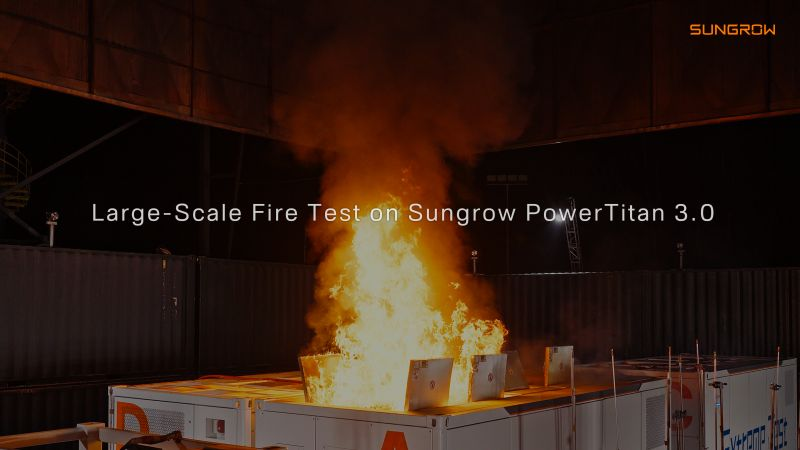
Sungrow's 28.56 MWh PowerTitan 3.0 Fire Test Contains Thermal Runaway Within a Single Unit
Sungrow's PowerTitan 3.0 has completed a large-scale fire test at 100% state of charge, with active fire suppression and thermal management systems disabled. During the 7.5-hour test, the internal temperature of the initiating unit peaked at 1,259.8°C, while thermal runaway did not propagate to adjacent battery units or the medium-voltage system.
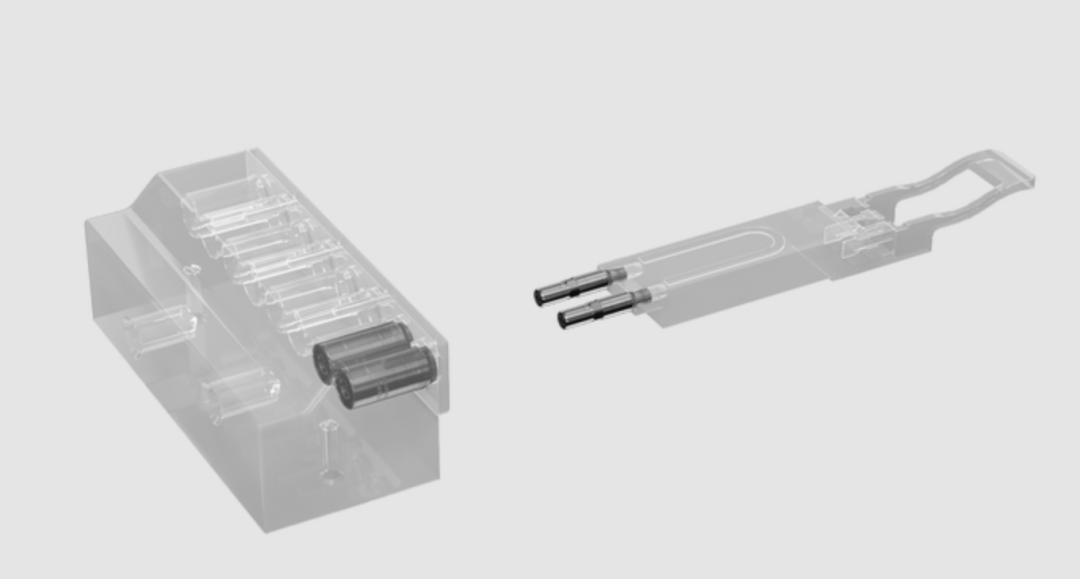
Beyond GPUs: AI Data Centers Are Bringing Liquid Cooling to Optical Transceivers
CoolIT Systems, Stäubli and Ciena have collaborated on a direct-to-plug liquid cooling architecture for next-generation pluggable optical transceivers, combining miniature quick-disconnect couplings with a dedicated OSFP cold plate to support the thermal demands of 3.2T-and-beyond optics in AI data centers.
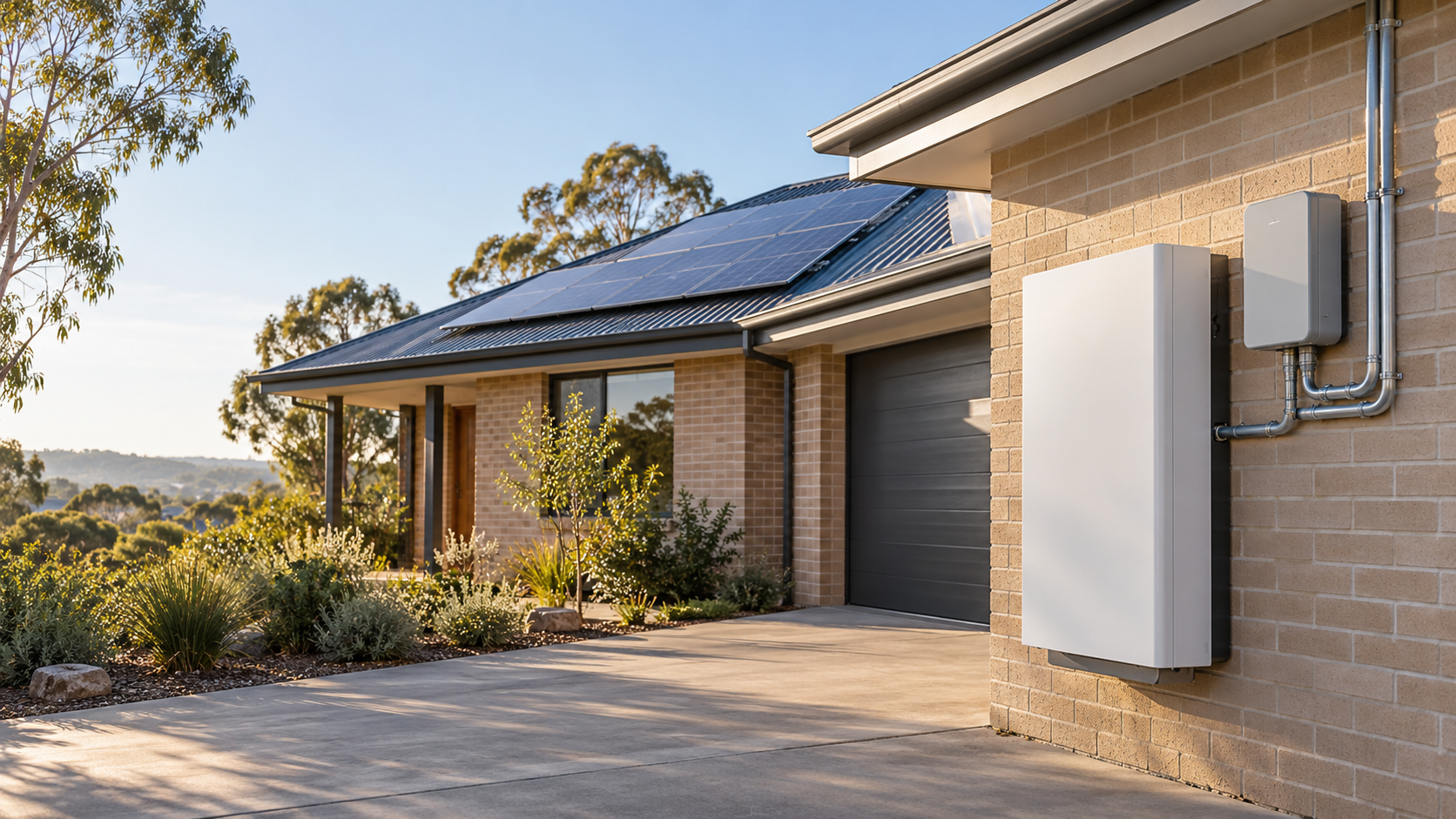
Australia Adds 276,000 Home Batteries as Uptake Outpaces AEMO Planning Assumptions
Australia added 8.7 GWh of home battery capacity in the first half of 2026. As installations accelerate, product portfolios, sales channels and subsidy rules are also reshaping access to the market.
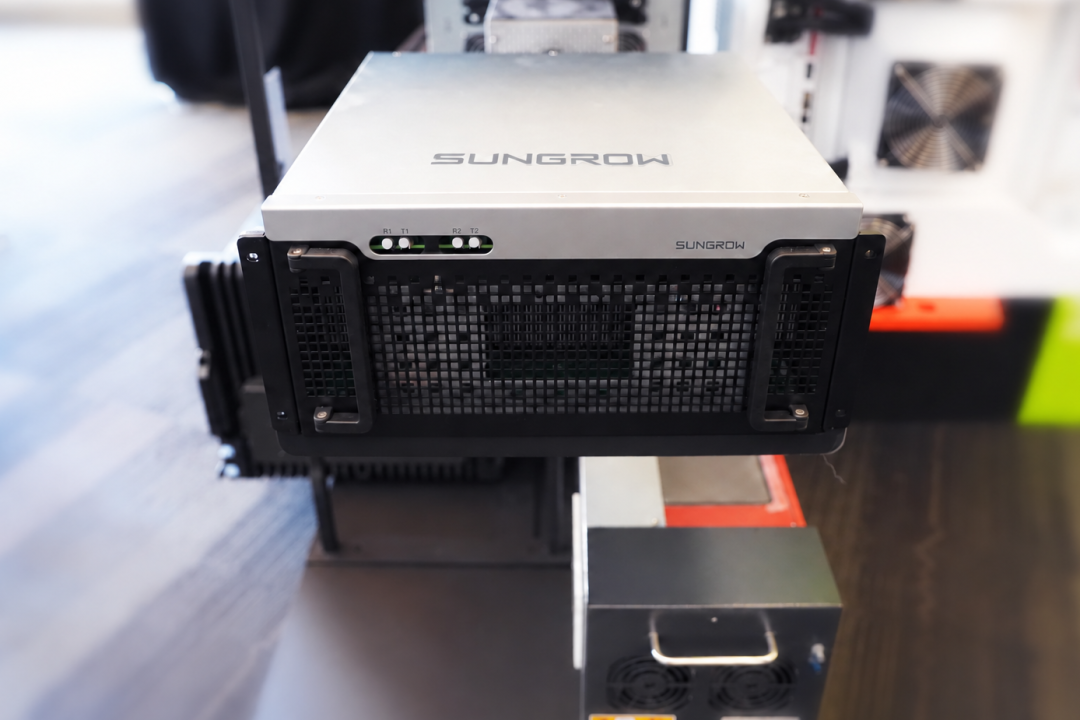
Sungrow's EnerNeo SST Reaches Commercial Deployment, Appears in NVIDIA's OCP Showcase
Sungrow's EnerNeo SST has moved from product launch to commercial delivery and operation under real computing loads in under 100 days. At the 2026 OCP Global Summit, its core modules appeared in the NVIDIA MGX AI Factory Ecosystem zone, while new TÜV Rheinland certifications marked another step towards deploying its 800 VDC power architecture across European and North American markets.