Sonnen Files for Insolvency Two Months After Shell Sale


German residential battery manufacturer Sonnen GmbH filed for insolvency on 22 October. According to German media reports, around 400 employees at the company’s headquarters in Wildpoldsried, Bavaria, were informed of the filing.
Sonnen intends to continue serving more than 150,000 existing customers, but a substantial restructuring is planned. Some subsidiaries are expected to be liquidated, while others may enter insolvency proceedings under self-administration. Only one production site may remain. Sonnen has not yet published a complete list of the legal entities involved, its production-site plan or detailed arrangements for individual markets.

Sonnen's headquarters in Wildpoldsried, Bavaria. Image: Sonnen, via pv magazine.
From Shell sale to insolvency in about two months
Founded in 2010, Sonnen was among the first European companies to combine residential batteries, home energy management and virtual power plants. Shell invested around €60 million in the company in 2018 and completed its acquisition in 2019. At the time, Sonnen was seen as an important route into distributed energy, home storage and energy services for Shell.
Shell later began looking for a buyer and completed the sale of Sonnen Group to Tiven in August 2026. Tiven is an investment manager and family office, while Aurelius WaterRise was appointed to advise on Sonnen’s subsequent restructuring.
Shell said the sale formed part of its continuing portfolio optimisation and that Tiven and Aurelius WaterRise could support Sonnen’s future development. Neither side disclosed the transaction value or a detailed restructuring plan. Sonnen GmbH filed for insolvency about two months later, bringing renewed scrutiny to the transaction and the company’s financial position before the sale.
Financial pressure predates the transaction
The available financial information indicates that Sonnen’s operating pressure did not emerge only after Tiven took control.
Internal figures obtained by Handelsblatt show that Sonnen Group revenue fell by around 55%, from approximately €443 million in 2023 to €198.9 million in 2024. The group reportedly recorded an EBITDA loss of €188.7 million in 2024, narrowing to about €52.2 million in 2025.
Public accounts for the standalone German company, Sonnen GmbH, use a different reporting perimeter. They show 2024 revenue of about €78.42 million, a net loss of roughly €106.6 million and total assets of approximately €88.34 million. The accounts also indicate that the company’s ability to continue as a going concern depended on financial support from its parent.
The two datasets should not be combined. The €443 million and €198.9 million figures refer to Sonnen Group revenue, while the €188.7 million figure is the group’s EBITDA loss. The €78.42 million revenue and €106.6 million net loss relate to the standalone German Sonnen GmbH entity.
Whichever perimeter is used, the figures point to the same underlying problem: Sonnen had already experienced a steep contraction in revenue and sustained heavy losses before the insolvency filing.

Chart: Energy Planet; Data source: Handelsblatt.
What happens to service for 150,000 customers?
Sonnen does more than sell residential batteries. It also provides energy-management software, mobile applications, electricity services and virtual power plant operations. The insolvency therefore affects more than undelivered hardware orders.
Reports say the company intends to continue serving more than 150,000 existing customers. Several practical questions, however, remain unanswered:
- Which legal entity will continue to honour product and performance warranties;
- Whether the Sonnen app, cloud platform and remote energy-management functions will remain fully operational;
- Whether SonnenCommunity and related VPP programmes will be affected;
- Whether installers will retain access to spare parts, training and technical support;
- How contracted but undelivered orders will be handled;
- Whether the contracting entities serving customers in different countries are included in the proceedings.
An insolvency filing does not mean these services will stop immediately, nor does it establish that existing warranties are invalid. For a residential storage product expected to operate for more than a decade, however, the continuity of software, spare parts and after-sales support will be central for customers and installers.
German retrenchment contrasts with US growth
As the German business enters insolvency proceedings, Sonnen’s US operation is reporting a markedly different picture.
Sonnen USA said its US sales had doubled year on year and production had tripled. It expects to sell more than 180 MWh of residential storage products in 2026 and has expanded its manufacturing facility in Georgia to increase local production.
Much of that growth is linked to virtual power plants. Sonnen says more than 6,000 households in Texas are participating in a model that combines rooftop solar, home batteries, energy management and grid services. Tiven has also said it continues to support Sonnen USA’s expansion in the North American VPP market.
The Sonnen GmbH filing should therefore not be described as a shutdown of Sonnen’s entire global business. The legal and financial relationships between the German operation, the US business and other regional subsidiaries still need to be clarified by the company or the insolvency administrator.
Whether the US operation can remain insulated from the German restructuring is another open question. Even if sales and production are located in the United States, the extent to which software, intellectual property, technical support or parts of the supply chain depend on teams in Germany has not been fully disclosed.
A growing market did not guarantee survival
Sonnen’s insolvency filing does not mean that Germany’s residential storage market has stopped growing.
According to RWTH Aachen University’s Battery Charts, cumulative residential storage capacity in Germany had reached about 20.75 GWh by March 2026. Home storage remains the largest segment of the country’s stationary battery market.
Market growth, however, does not guarantee sustainable profits for every supplier. European residential storage has faced falling product prices, a rising number of brands and intensifying competition. For companies operating across hardware, manufacturing, software, cloud platforms, energy services, warranties and VPPs, each system sold can also create a long-term service obligation.
Sonnen sought to build a business model extending beyond hardware sales. Its batteries, software and aggregation platform connect distributed residential systems so they can participate in electricity markets as a virtual power plant. In 2023, Sonnen said its German VPP had reached around 250 MWh and could expand to 1 GWh.
The model may carry long-term value, but it also requires continuing investment in software, customer operations, market trading, after-sales support and system maintenance. The public information does not establish that any single factor caused Sonnen’s insolvency. What it does show is that rapidly expanding storage demand did not automatically translate into stable profitability for the company.
Sonnen’s insolvency process is still at an early stage, and the scope of the restructuring, its financing arrangements and the eventual ownership of regional operations remain unclear. The company says it will continue serving existing customers, but it has yet to explain in detail how warranties, software platforms, spare-parts supply and virtual power plant programmes will be maintained during the restructuring.
The crisis comes as Europe’s residential storage market continues to expand. It does not suggest that demand is disappearing, but it does show that customer numbers and product shipments do not necessarily translate into sustainable earnings. Sonnen’s ability to preserve its core business will depend on whether the restructuring can cut costs while maintaining customer support and the long-term operational capabilities behind its energy-management and virtual power plant model.
Featured News
All News →
UL Opens New Certification Pathway for Modular DC BESS and Compatible PCS
UL Solutions will evaluate modular DC energy storage systems with identified subsystems under applicable UL 9540 requirements and record compatible models in Product iQ. The pathway is intended to clarify certification and installation reviews, but it does not allow separately certified batteries and PCS to be combined without system-level evaluation.
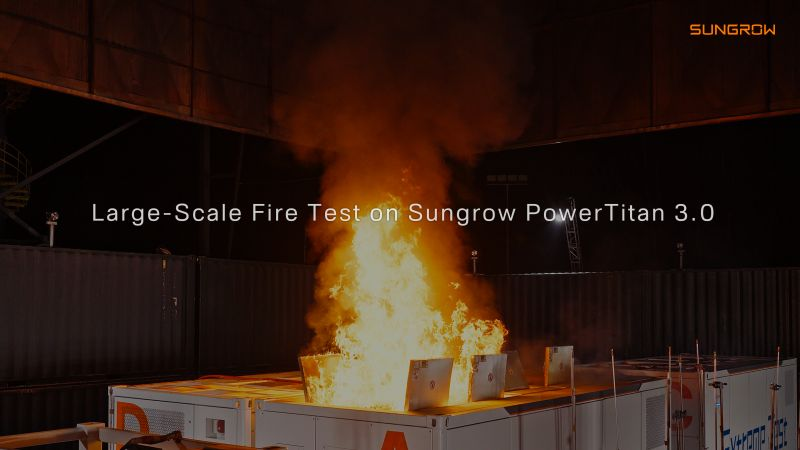
Sungrow's 28.56 MWh PowerTitan 3.0 Fire Test Contains Thermal Runaway Within a Single Unit
Sungrow's PowerTitan 3.0 has completed a large-scale fire test at 100% state of charge, with active fire suppression and thermal management systems disabled. During the 7.5-hour test, the internal temperature of the initiating unit peaked at 1,259.8°C, while thermal runaway did not propagate to adjacent battery units or the medium-voltage system.
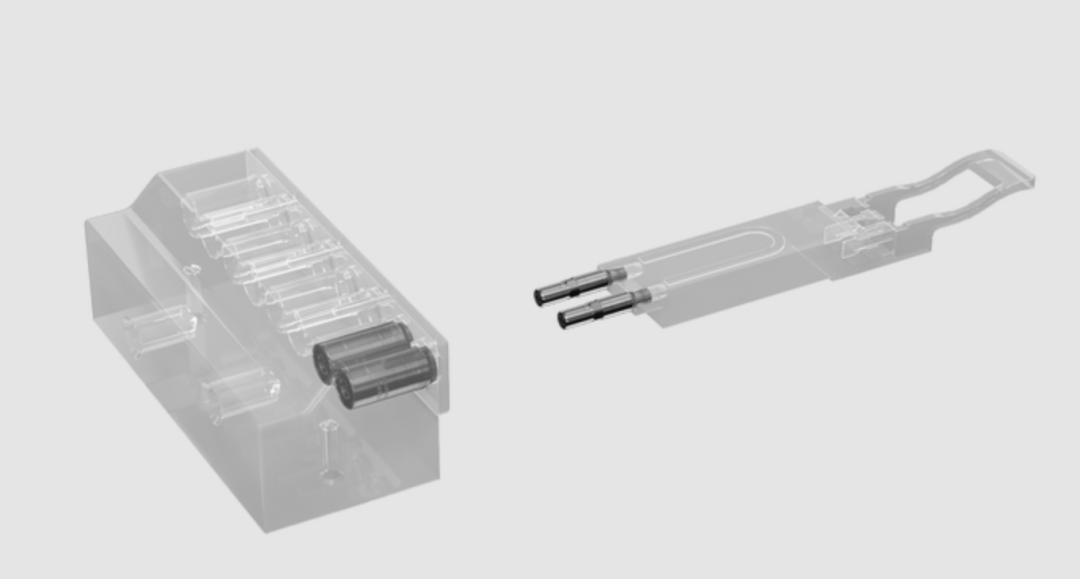
Beyond GPUs: AI Data Centers Are Bringing Liquid Cooling to Optical Transceivers
CoolIT Systems, Stäubli and Ciena have collaborated on a direct-to-plug liquid cooling architecture for next-generation pluggable optical transceivers, combining miniature quick-disconnect couplings with a dedicated OSFP cold plate to support the thermal demands of 3.2T-and-beyond optics in AI data centers.
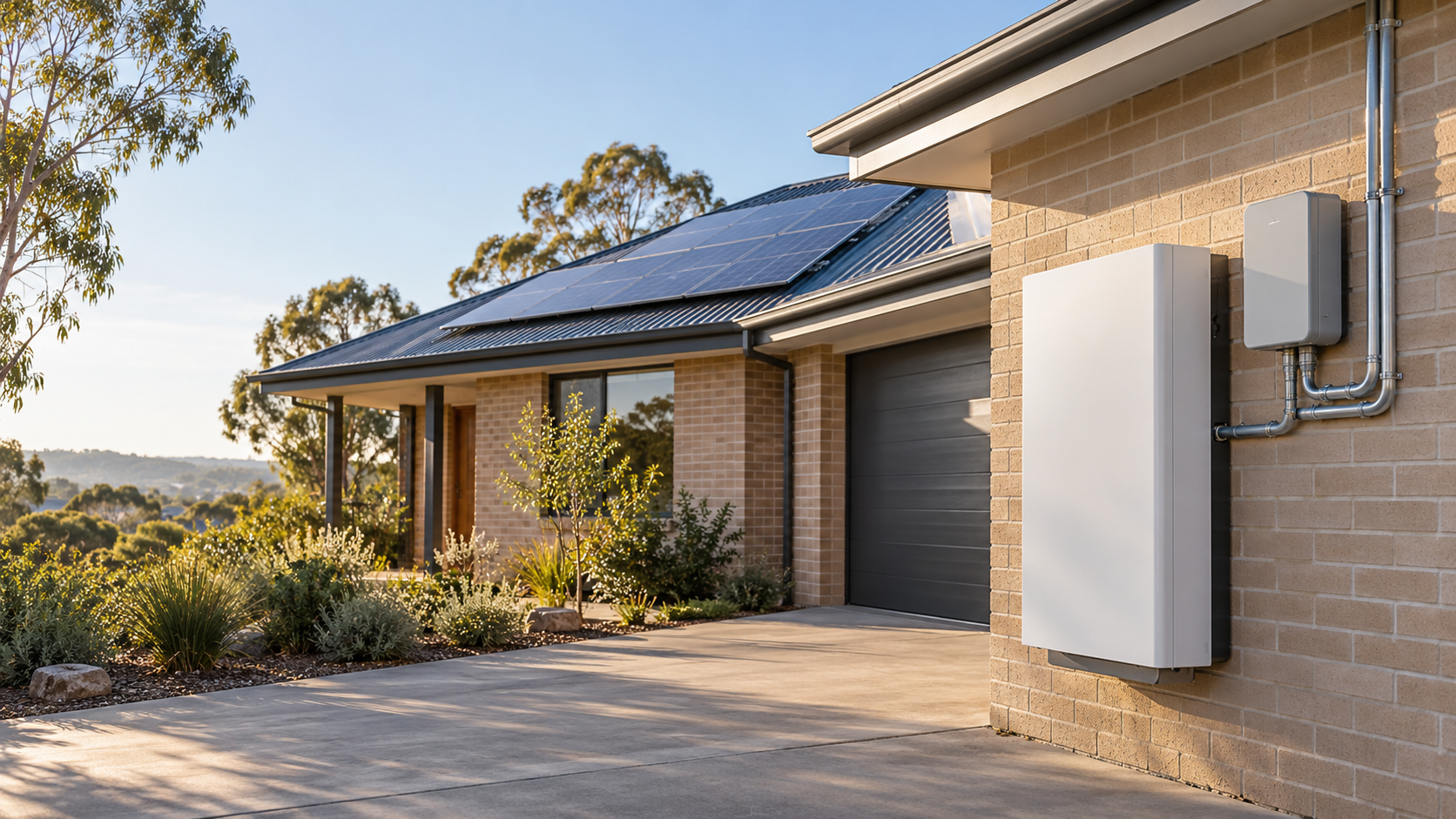
Australia Adds 276,000 Home Batteries as Uptake Outpaces AEMO Planning Assumptions
Australia added 8.7 GWh of home battery capacity in the first half of 2026. As installations accelerate, product portfolios, sales channels and subsidy rules are also reshaping access to the market.
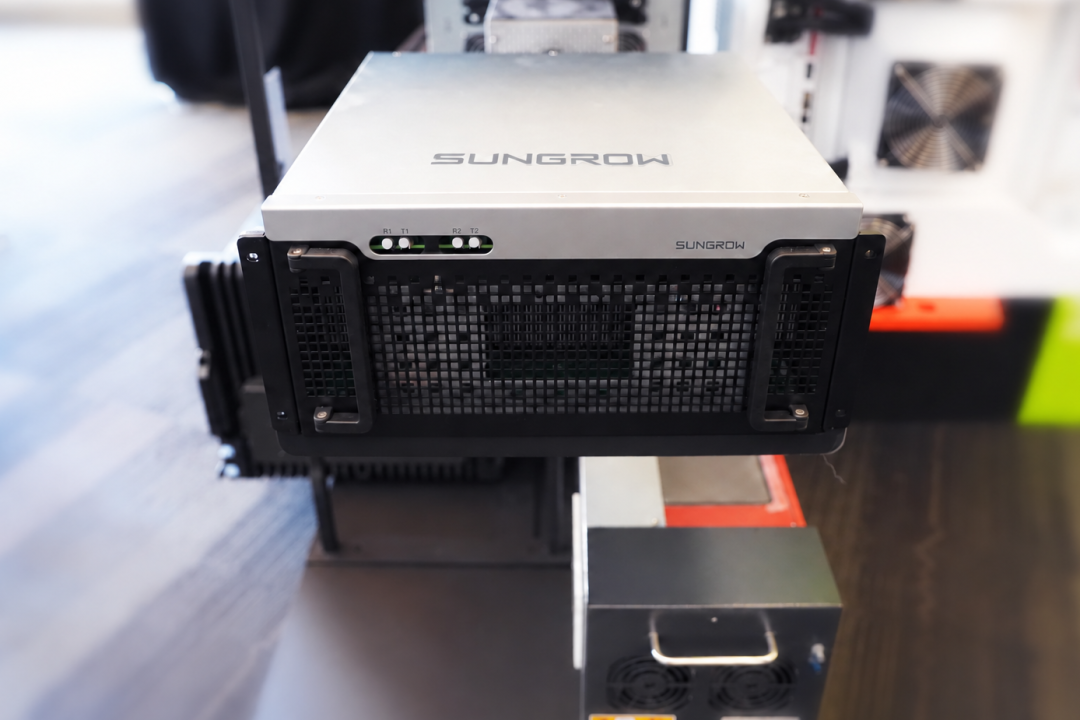
Sungrow's EnerNeo SST Reaches Commercial Deployment, Appears in NVIDIA's OCP Showcase
Sungrow's EnerNeo SST has moved from product launch to commercial delivery and operation under real computing loads in under 100 days. At the 2026 OCP Global Summit, its core modules appeared in the NVIDIA MGX AI Factory Ecosystem zone, while new TÜV Rheinland certifications marked another step towards deploying its 800 VDC power architecture across European and North American markets.
Europe's New Sodium-Ion Home Battery: 30,000 Cycles and Discharge Down to -40°C
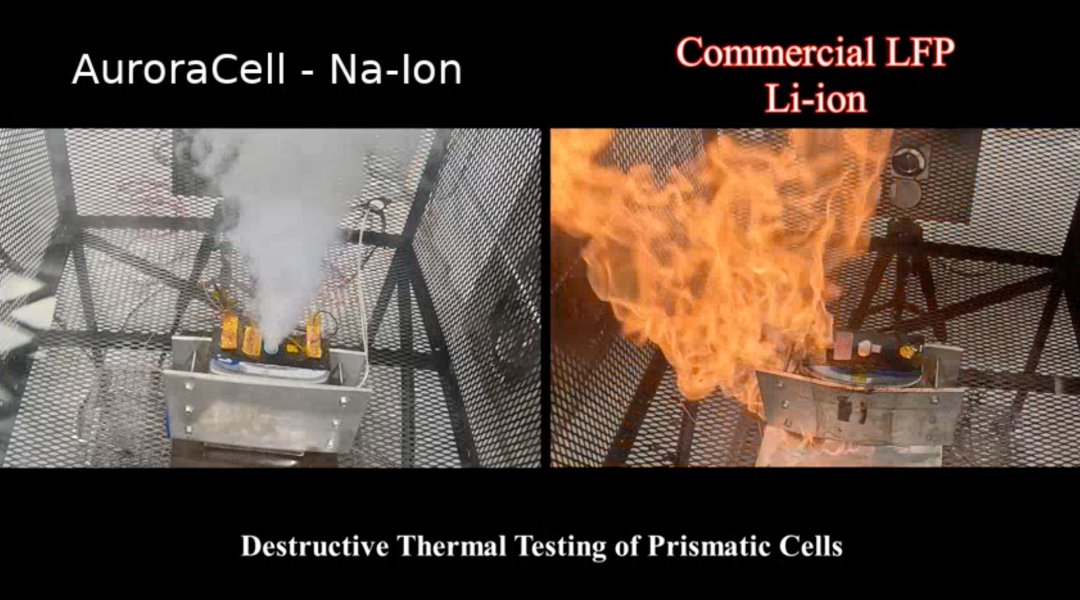
Bulgarian company AuroraCell has introduced a 9.3 kWh low-voltage sodium-ion home battery for the European market, offering up to 30,000 cell-level cycles, discharge operation down to -40°C and expansion to 139.5 kWh through parallel installation. While its NCO chemistry shows potential advantages in cycle life, thermal stability and cold-weather operation, the headline claims remain subject to specified test conditions and require further third-party and system-level validation.
CATL TENER Sodium Moves Deeper into Europe with Intilion and Merus Power
Europe's sodium-ion BESS market is beginning to move from product launch to system integration. Energy-Storage.news reported that Germany-based Intilion has tied up with CATL to realise sodium-ion BESS projects in the DACH region, targeting up to 3 GWh, while Finland's Merus Power is working on technical integration between its PCS solution and CATL's sodium-ion BESS platform. The latest moves follow CATL's 5 GWh sodium-ion storage partnership with Alfen in July and the launch of its TENER Sodium system in Munich in June, suggesting that European integrators are preparing for sodium-ion storage before the technology becomes fully mainstream.
Envision Gen 8 Completes 64 MWh Site Level Fire Test
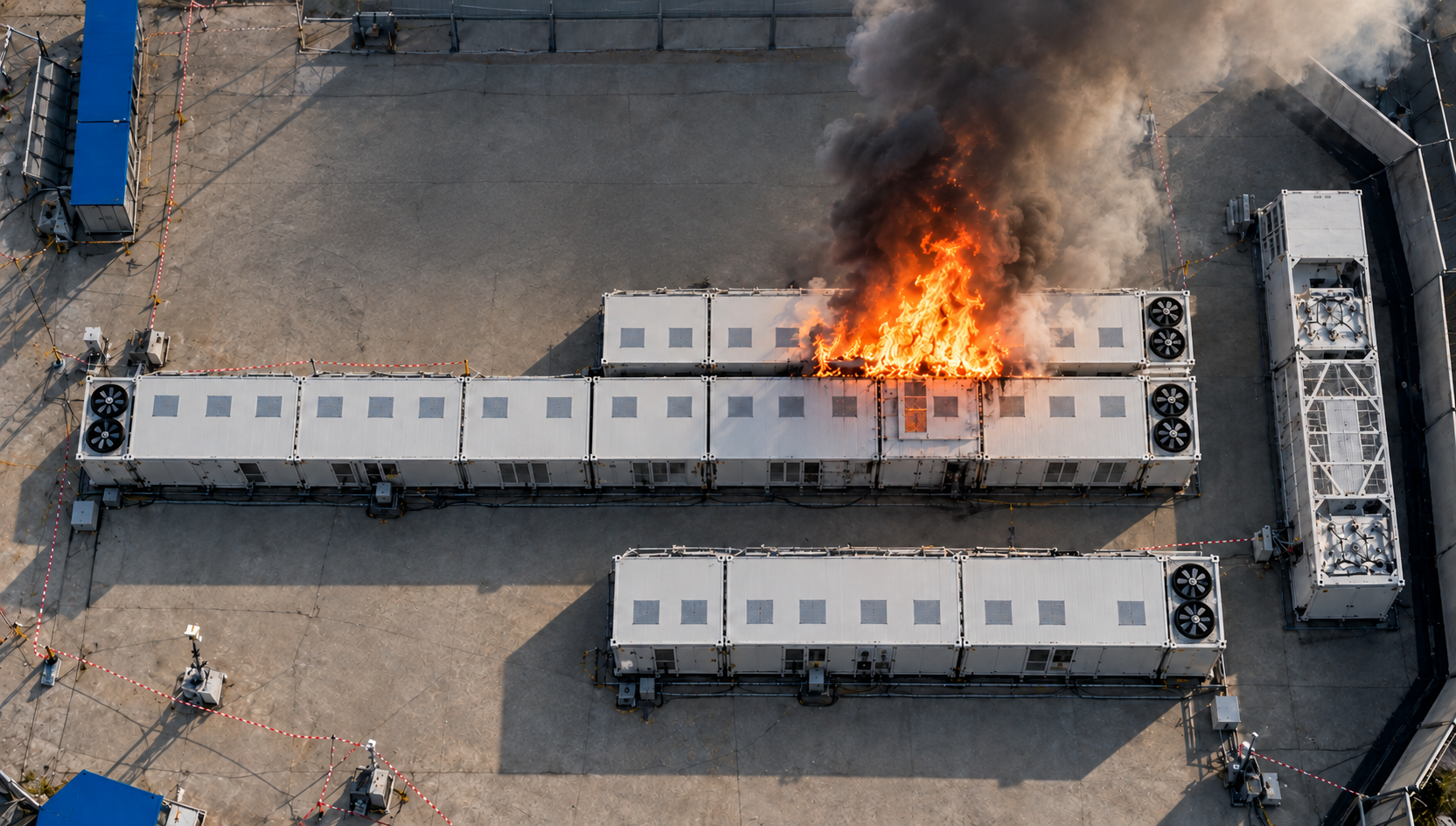
Envision has announced a 64 MWh site-level fire test of its Gen 8 AI energy storage system under 5 cm spacing, 100% SOC and disabled active protection systems.