Sungrow's EnerNeo SST Reaches Commercial Deployment, Appears in NVIDIA's OCP Showcase
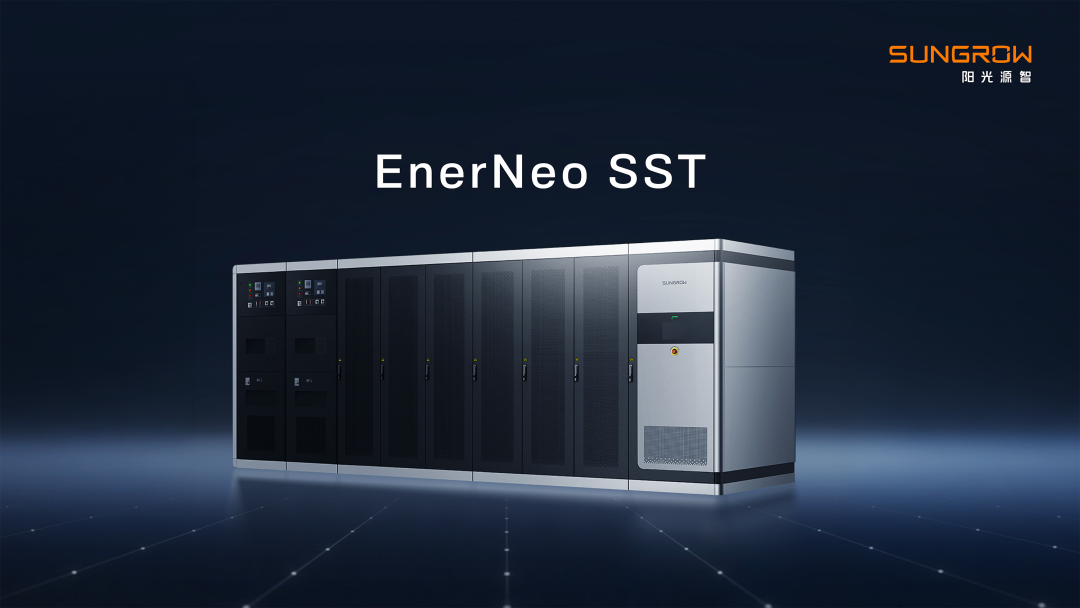
When Sungrow unveiled the EnerNeo solid-state transformer (SST) in July, much of the attention centred on its technical specifications: direct conversion from 10–13.8 kV medium-voltage AC to 800 VDC, system efficiency of 98.5%, power density of 312 kW/m² and flexible 1.5 MW power blocks.
For a new power system targeting AI data centres, however, specifications are only the starting point. The more important questions were when the technology would move beyond demonstrations, reach customers and begin powering real computing loads.
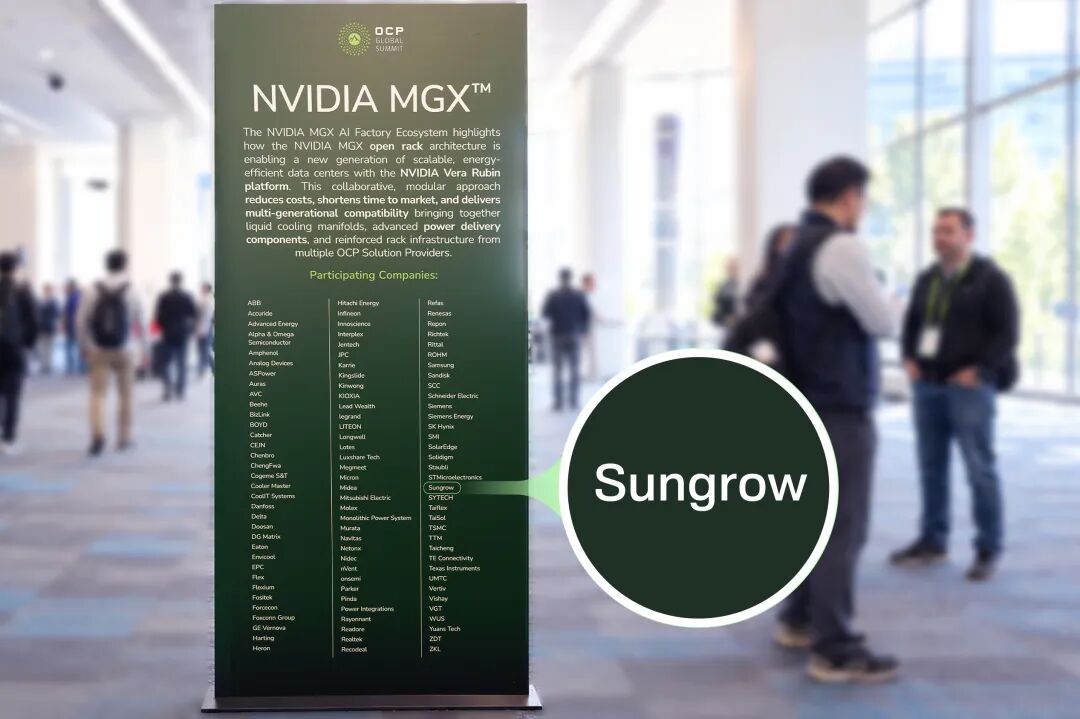
Three months later, Sungrow provided an initial answer. At the 2026 OCP Global Summit, its AIDC power unit displayed key EnerNeo components in the NVIDIA MGX AI Factory Ecosystem zone. The company also announced that the system had entered commercial delivery and operated under real computing loads, while securing system-level certifications supporting entry into European and North American markets.
Three milestones disclosed at OCP
▍Commercial delivery and live-load operation
On 15 October, during the OCP Global Summit in San Jose, California, Sungrow said EnerNeo had completed commercial delivery and demonstrated its SST-based 800 VDC architecture under real computing loads.
From the product's launch on 9 July to the live-load announcement on 15 October, fewer than 100 days had passed. Sungrow has not publicly identified the customer or disclosed the capacity and operating data of the deployment, but the announcement marks EnerNeo's first reported move from product launch into a commercial computing environment.
▍EnerNeo enters the NVIDIA MGX showcase
Another notable development was EnerNeo's appearance in the NVIDIA MGX AI Factory Ecosystem zone.
Sungrow displayed the system's medium-voltage power module, low-voltage power module and high-frequency transformer. Although less visible than GPU racks, these components occupy a critical position in the next generation of AI data centre infrastructure: converting incoming medium-voltage AC directly into 800 VDC before power is distributed to racks and computing equipment.
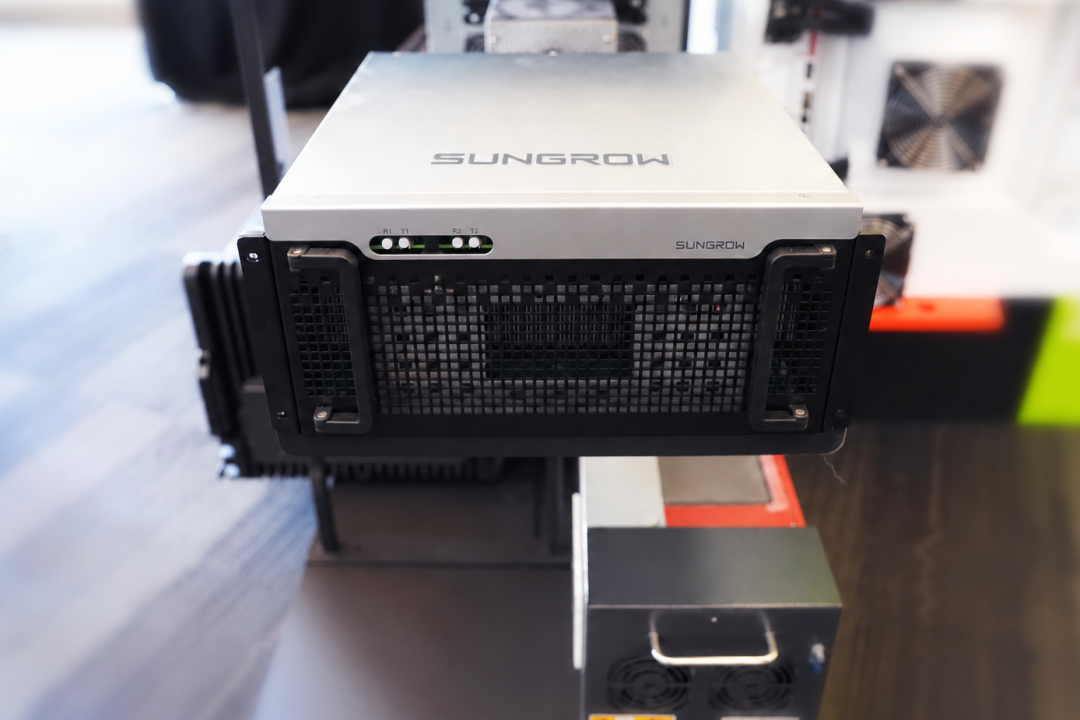
NVIDIA is promoting 800 VDC distribution as an important architecture for future high-density AI factories. The approach is intended to reduce power-conversion stages and current levels while supporting increasingly power-intensive computing racks.
EnerNeo's presence in the MGX zone should not be interpreted as a standalone NVIDIA product endorsement. It does, however, show that Sungrow's SST technology is being presented within the broader ecosystem of chip, rack, power and data centre infrastructure technologies being developed around next-generation AI factories.
▍Certifications supporting international market access
During the summit, EnerNeo also received system- and component-level certification from TÜV Rheinland.
The assessment covered the UL 2877 and IEC/EN 62477 safety standards, EN 61000-series and FCC Part 15 electromagnetic compatibility requirements. The system's high-frequency isolation transformer also completed a dedicated 13.8 kV reinforced-insulation assessment.
EnerNeo received TÜV, cTUVus and electromagnetic compatibility certifications and reports. The cTUVus mark supports access to the US and Canadian markets, although individual projects may still be subject to local permitting, grid and installation requirements.
Sungrow describes EnerNeo as the world's first SST product to receive system-level certification under both European and US standards.
Together, the three developments address different parts of the commercialisation process. Delivery and live-load operation provide initial evidence that the system can move into a working data centre environment. Its appearance in the MGX ecosystem zone places it within the emerging 800 VDC AI infrastructure landscape, while certification addresses a major requirement for international deployment.
From first deployment to repeatable scale
When EnerNeo was launched in July, Sungrow presented more than a standalone 3 MW SST. It outlined a wider power architecture for high-density AI data centres, built around direct medium-voltage conversion and an 800 VDC bus. The platform can be configured in 1.5 MW increments, with 3 MW and 4.5 MW arrangements available.
Sungrow established its dedicated AIDC power unit to extend the group's power-electronics expertise into AI infrastructure. EnerNeo is therefore one part of a broader system rather than the endpoint of the company’s strategy.
Within this architecture, the SST converts medium-voltage AC directly into 800 VDC. DC/DC equipment can connect batteries, flywheels and supercapacitors to the DC bus, while DC/AC systems supply alternating-current loads such as cooling distribution units, air-conditioning systems and network equipment.
Historically, Sungrow's core power-electronics business focused on converting and managing electricity from solar and battery storage systems. Through EnerNeo, the company is extending those capabilities deeper into the AI data centre—from the grid connection and 800 VDC bus to the rack-level power chain.
For an emerging technology, moving from launch to commercial delivery and real-load operation is an important early step. In July, EnerNeo set out how an SST could fit into an AI data centre. Three months later, Sungrow has begun demonstrating that the architecture can operate beyond the launch stage. The next test will be whether it can be replicated across multiple customers and projects at scale.
Featured News
All News →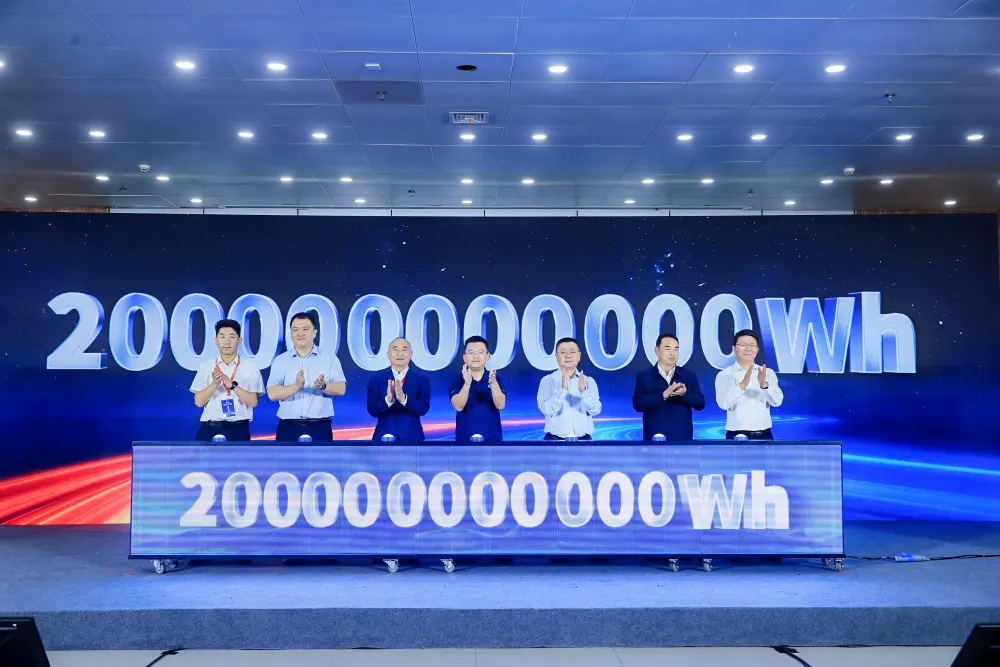
Shipments Surpass 200 GWh: HiTHIUM Leads Long-Duration Energy Storage Through Full-Chain Integration
HiTHIUM has surpassed 200 GWh in cumulative energy storage shipments, just over a year after crossing 100 GWh in August 2025. Announced at its Chongqing base, the milestone highlights the company’s rapid expansion in long-duration storage, integrated manufacturing, supply-chain coordination and global delivery.
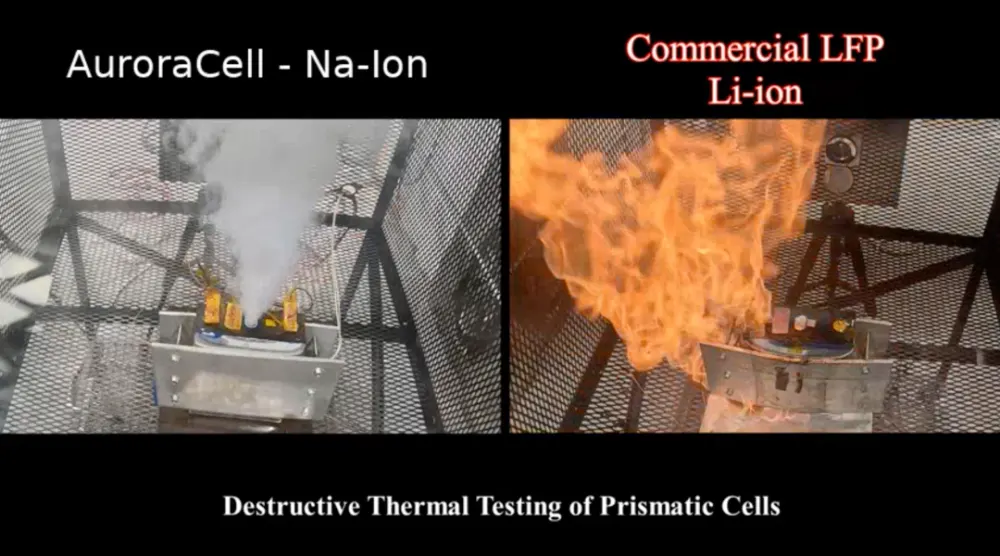
Europe's New Sodium-Ion Home Battery: 30,000 Cycles and Discharge Down to -40°C
Bulgarian company AuroraCell has introduced a 9.3 kWh low-voltage sodium-ion home battery for the European market, offering up to 30,000 cell-level cycles, discharge operation down to -40°C and expansion to 139.5 kWh through parallel installation. While its NCO chemistry shows potential advantages in cycle life, thermal stability and cold-weather operation, the headline claims remain subject to specified test conditions and require further third-party and system-level validation.
CATL TENER Sodium Moves Deeper into Europe with Intilion and Merus Power
Europe's sodium-ion BESS market is beginning to move from product launch to system integration. Energy-Storage.news reported that Germany-based Intilion has tied up with CATL to realise sodium-ion BESS projects in the DACH region, targeting up to 3 GWh, while Finland's Merus Power is working on technical integration between its PCS solution and CATL's sodium-ion BESS platform. The latest moves follow CATL's 5 GWh sodium-ion storage partnership with Alfen in July and the launch of its TENER Sodium system in Munich in June, suggesting that European integrators are preparing for sodium-ion storage before the technology becomes fully mainstream.
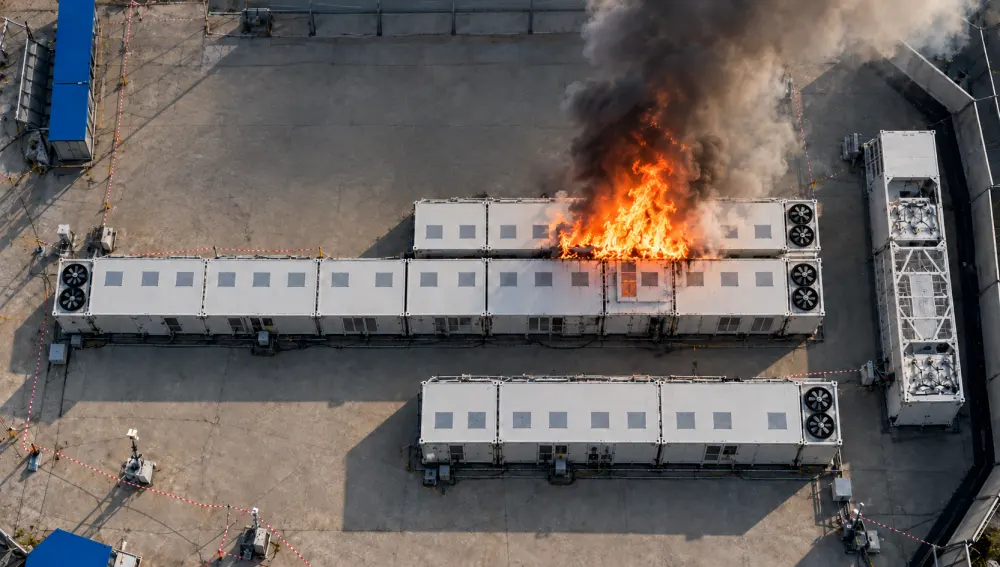
Envision Gen 8 Completes 64 MWh Site Level Fire Test
Envision has announced a 64 MWh site-level fire test of its Gen 8 AI energy storage system under 5 cm spacing, 100% SOC and disabled active protection systems.
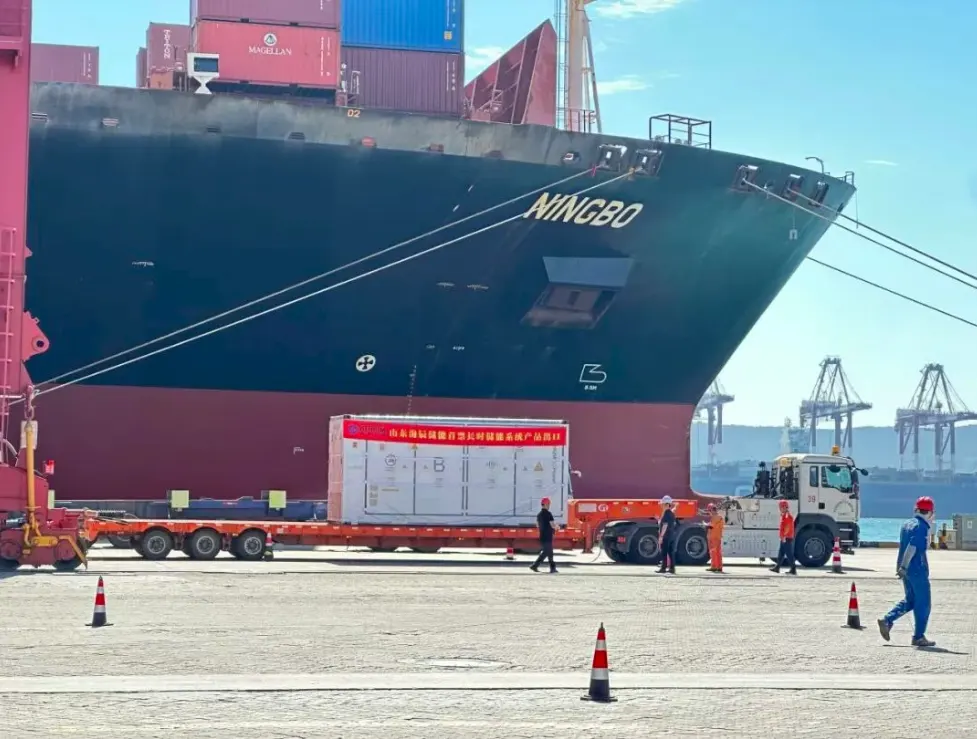
First 106 Units Shipped! HiTHIUM’s Shandong Heze Base Begins Large-Scale Overseas Deliveries of LDES
Source: HiTHIUM Recently, the Shandong HiTHIUM Long-Duration Energy Storage Integrated Industrial Park (Shandong Heze Base) marked its first international export since commencing mass production. The initial shipment—comprising 106 units of the ∞Power 6.25MWh 4-hour long-duration energy storage system prefabricated…
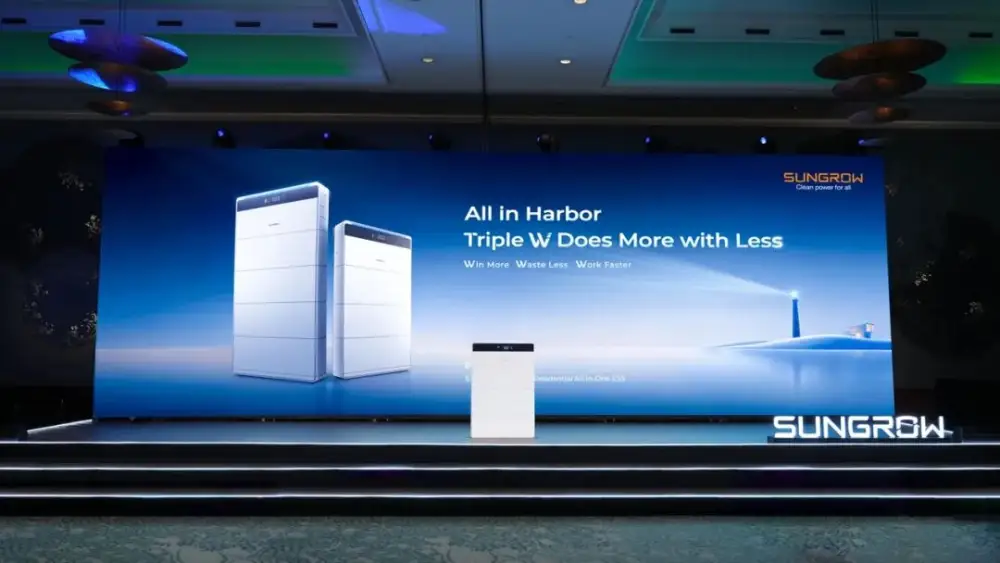
Exclusive: Sungrow Launches All-in-One PowerHarbor, Betting Benelux Home Storage Is Just Beginning
Rooftop solar is already widespread among Dutch households, yet relatively few homes have installed residential energy storage. Sungrow believes this market is only just beginning. On September 22, Sungrow held an event in Amsterdam to officially launch its PowerHarbor all-in-one residential energy storage system in…
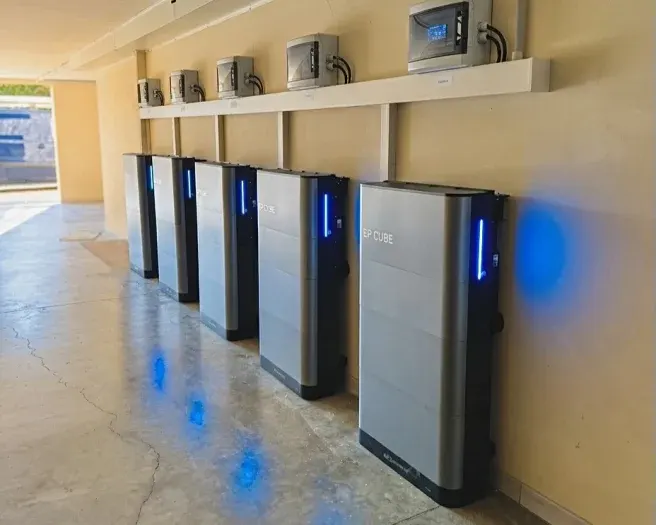
Eternalplanet Raises Hundred-Million-Yuan Funding for Global Residential Storage Expansion
Source: Eternalplanet Recently, Shenzhen Eternalplanet Energy Co., Ltd. (hereinafter referred to as Eternalplanet) has successfully closed a financing round of hundreds of millions of RMB. Led by ZX Holdings, the raised funds will be mainly used for new product R&D, global market expansion and supply chain…
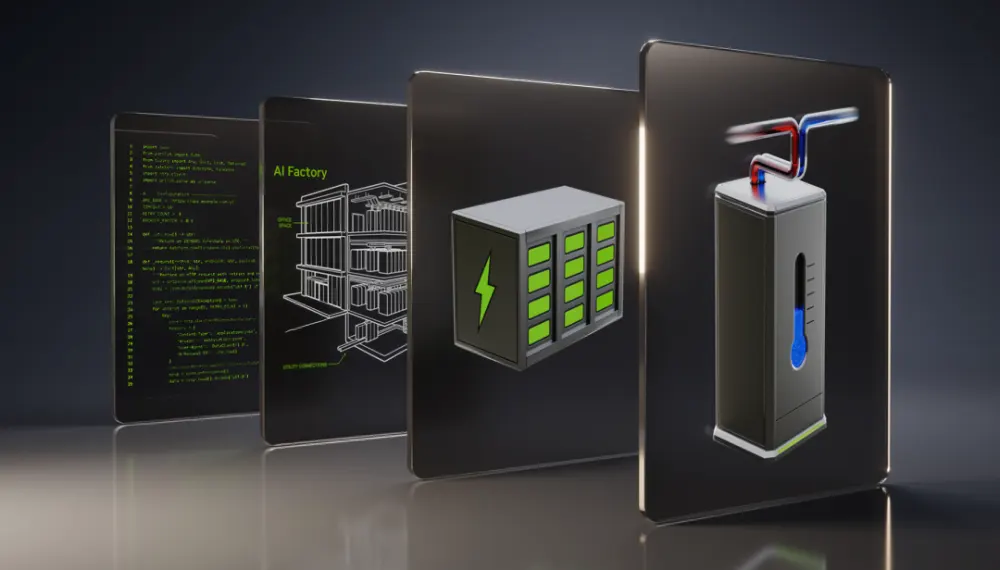
NVIDIA Starts Selecting "Standard Components" for AIDCs, First Energy Storage List Released!
On September 21, NVIDIA launched a new AI infrastructure qualification program. This time, NVIDIA is looking beyond GPUs and servers, bringing the power and cooling equipment behind AI data centers into its qualification system as well. The first products included in the DSX Ready qualification scope fall into two…