Sungrow's 28.56 MWh PowerTitan 3.0 Fire Test Contains Thermal Runaway Within a Single Unit


Sungrow announced on 21 October that its PowerTitan 3.0 AC energy storage system had completed a large-scale fire test. UL Solutions designed and conducted the test, with a registered fire protection engineer from Fire Risk Alliance serving as witness and Jensen Hughes participating as an observer. The test was carried out in accordance with relevant requirements under UL 9540A: 2026 and CSA/ANSI C800-2025.
According to Sungrow, this was the industry's first large-scale fire test of an AC Block energy storage system using stacked battery cells. The company also said all three generations of PowerTitan, from PowerTitan 1.0 to 3.0, passed their respective large-scale fire tests on the first attempt.
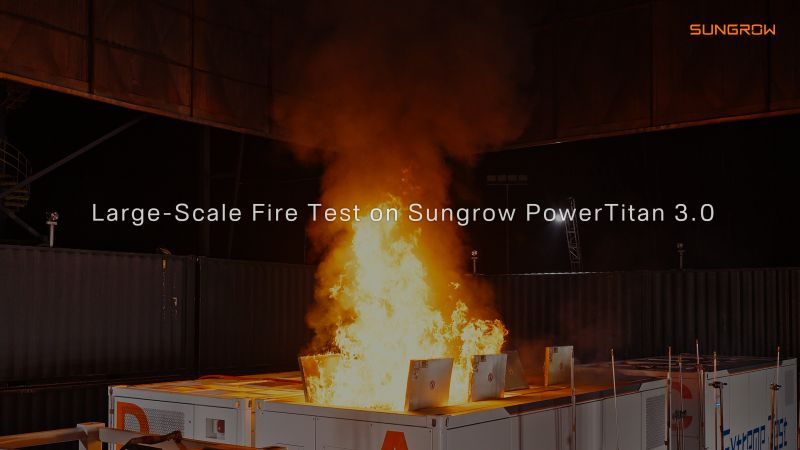
28.56 MWh System Tested in a Full-Scale Site Layout
The test examined more than an individual cell or battery module. Sungrow said the setup replicated a full-scale utility energy storage site, comprising 28.56 MWh of fully liquid-cooled PowerTitan 3.0 systems and a 7.4 MW medium-voltage system.
The initiating Unit A and adjacent Unit D were installed back-to-back, while the medium-voltage equipment was also included in the test area. Compared with testing a single enclosure in isolation, this arrangement allowed observers to assess whether fire could spread through thermal radiation, structural contact or neighbouring equipment.
To increase the severity of the test, the system was maintained at 100% state of charge. Active fire suppression and thermal management systems were disabled, while the pressure-relief panels on Unit A were fully opened. The test was conducted outdoors with unrestricted ventilation and oxygen supply.
Smoke and fire emissions were collected and directed into a dedicated treatment system. However, the publicly available materials only confirm that the emissions were collected and treated. They do not indicate whether gases such as hydrogen fluoride, carbon monoxide or volatile organic compounds were sampled, nor do they provide concentration or gas-generation data.
These conditions placed the emphasis on the system's passive thermal insulation, structural protection and ability to contain thermal runaway, rather than on early intervention by active fire suppression equipment.
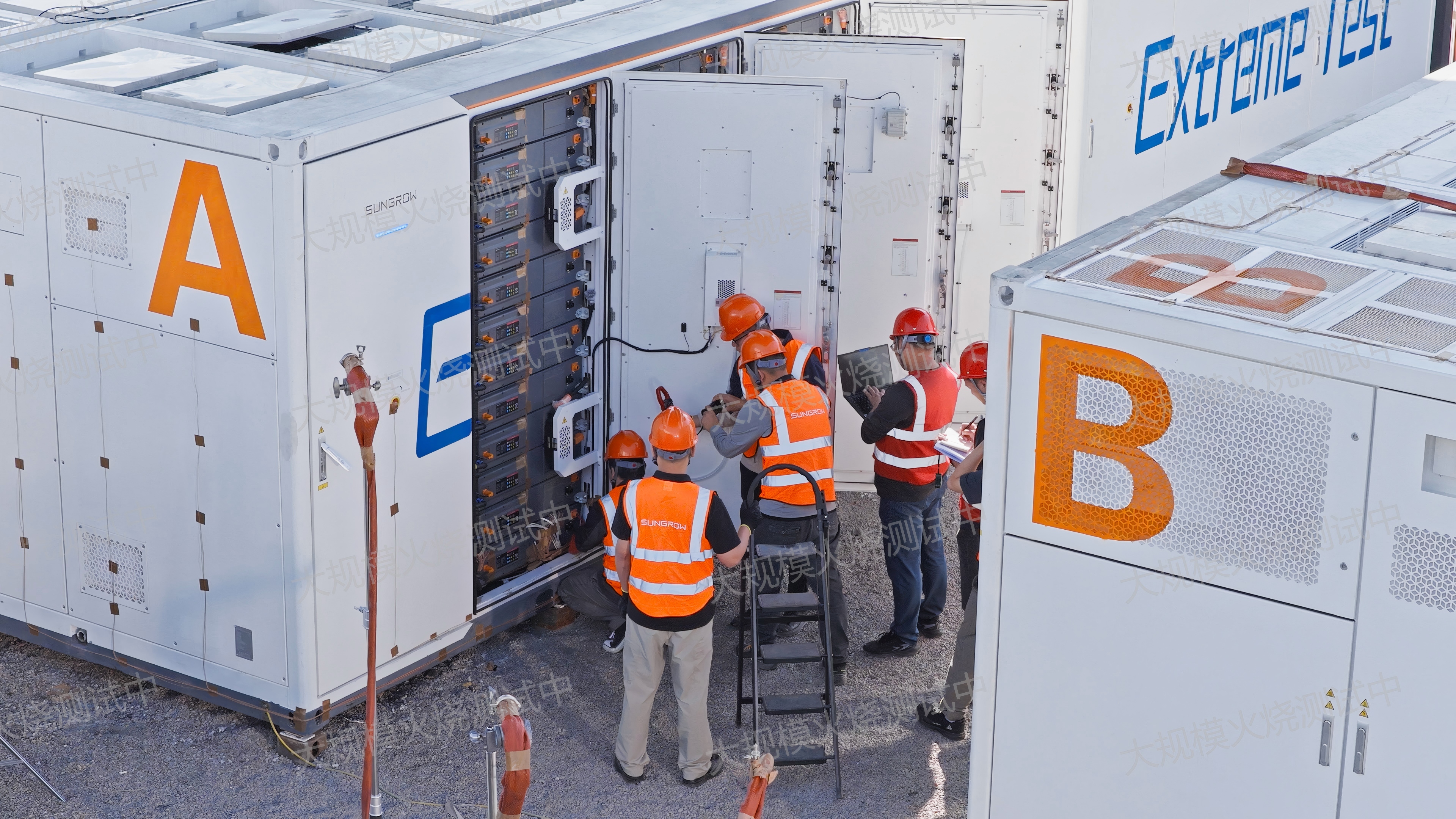
Fire Remained Within the Initiating Unit for 7.5 Hours
According to data published by Sungrow, the fire continued for 7.5 hours and the internal temperature of Unit A peaked at 1,259.8°C. Thermal runaway did not propagate from the initiating unit to the adjacent battery unit or the medium-voltage system. The highest cell temperature recorded in the neighbouring unit remained well below the thermal-runaway threshold specified under UL 9540A: 2026.
Sungrow also said all enclosures remained structurally intact, without deformation or cracking, and could still be lifted as complete units after the test.
The result indicates that, under the configuration, spacing and initiation conditions used in this test, PowerTitan 3.0 contained the fire within the initiating unit and prevented cascading propagation across multiple enclosures.
What Did the Test Demonstrate?
UL 9540A is used to evaluate fire propagation following thermal runaway in battery energy storage systems. UL Solutions has said the 2026 edition introduces defined performance criteria for installation-level fire testing and uses active ignition of thermal-runaway gases to assess propagation risk under a developed fire condition more directly.
The purpose of the test was therefore not to prove that the system could never catch fire. It was to evaluate whether the system could prevent a severe fire from spreading to surrounding equipment after a failure had already escalated.
The resulting data may help project designers, fire authorities and permitting bodies assess enclosure spacing, fire separation, suppression strategies and emergency response plans. CSA/ANSI C800-2025 also incorporates large-scale fire testing into its framework for evaluating the reliability and quality assurance of energy storage systems.
However, the results apply to the specific product configuration and test conditions used. They do not replace project-specific fire engineering, installation quality, operations and maintenance practices, or reviews by local authorities. Nor do they demonstrate that every project using the system will automatically qualify for lower insurance premiums or financing costs.
From Fire Testing to Predictive Safety Design
Another focus of the test was Sungrow's use of large-scale fire data in product development. The company said it conducted simulations across hundreds of operating conditions before the physical test, using the results to refine the PowerTitan 3.0 design. According to Sungrow, the final fire scale and progression observed during the test closely matched its simulations.
All three generations of PowerTitan have now passed their respective large-scale fire tests on the first attempt. Sungrow said the accumulated results have been used to build a database covering large-scale thermal-runaway and fire behaviour, supporting subsequent system design, simulation calibration and product development.
The approach follows a development loop of safety design, predictive simulation and large-scale physical validation. Historical test results are used to refine simulation models, which can then assess fire behaviour under different layouts, environmental conditions and operating scenarios before their predictions are checked through physical testing.
Sungrow said the database could also provide technical input for risk assessments and emergency planning by project owners, investors, insurers, regulators and emergency responders. Roger Li, General Manager of Sungrow's utility-scale energy storage product line, described the objective as "burning to prevent burning": using test results and historical data to reduce both the risk of fires occurring and the likelihood of propagation at operating projects.
Compared with conducting a single demonstration after a new product has been developed, repeated testing and data collection may offer manufacturers a stronger basis for identifying weaknesses in structural design, thermal insulation, ventilation and equipment layout.
Sungrow has not yet made the complete test report, raw measurement data, gas-analysis results or simulation error margins publicly available. Whether its database can be widely adopted by project owners, insurers, regulators and fire authorities will depend on the level of data disclosure, independent review and the transferability of the findings across different project configurations and environmental conditions.
Featured News
All News →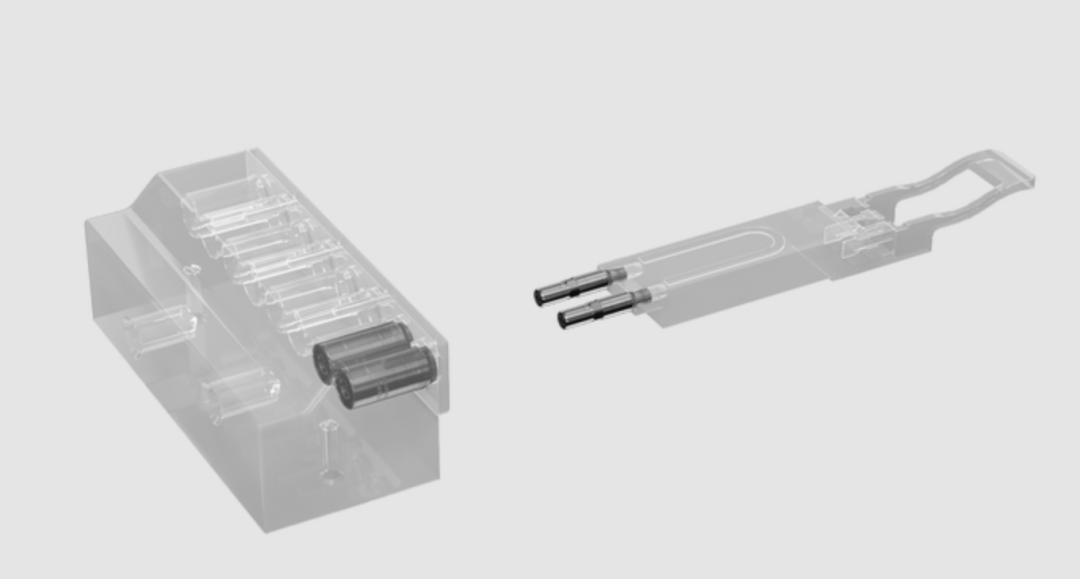
Beyond GPUs: AI Data Centers Are Bringing Liquid Cooling to Optical Transceivers
CoolIT Systems, Stäubli and Ciena have collaborated on a direct-to-plug liquid cooling architecture for next-generation pluggable optical transceivers, combining miniature quick-disconnect couplings with a dedicated OSFP cold plate to support the thermal demands of 3.2T-and-beyond optics in AI data centers.
Australia Adds 276,000 Home Batteries as Uptake Outpaces AEMO Planning Assumptions
Australia added 8.7 GWh of home battery capacity in the first half of 2026. As installations accelerate, product portfolios, sales channels and subsidy rules are also reshaping access to the market.
Sungrow's EnerNeo SST Reaches Commercial Deployment, Appears in NVIDIA's OCP Showcase
Sungrow's EnerNeo SST has moved from product launch to commercial delivery and operation under real computing loads in under 100 days. At the 2026 OCP Global Summit, its core modules appeared in the NVIDIA MGX AI Factory Ecosystem zone, while new TÜV Rheinland certifications marked another step towards deploying its 800 VDC power architecture across European and North American markets.
Europe's New Sodium-Ion Home Battery: 30,000 Cycles and Discharge Down to -40°C
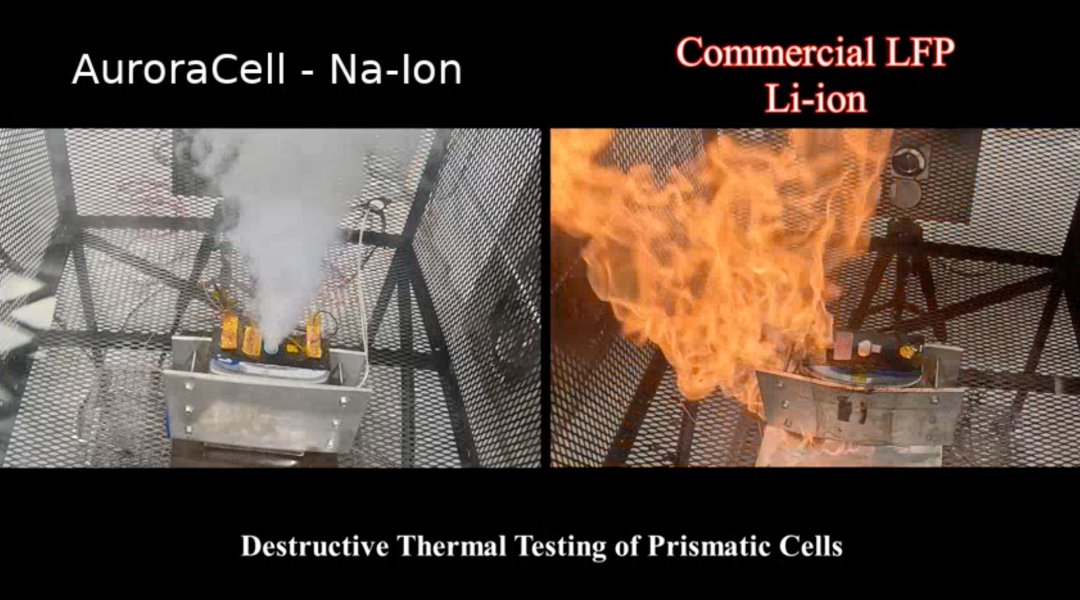
Bulgarian company AuroraCell has introduced a 9.3 kWh low-voltage sodium-ion home battery for the European market, offering up to 30,000 cell-level cycles, discharge operation down to -40°C and expansion to 139.5 kWh through parallel installation. While its NCO chemistry shows potential advantages in cycle life, thermal stability and cold-weather operation, the headline claims remain subject to specified test conditions and require further third-party and system-level validation.
CATL TENER Sodium Moves Deeper into Europe with Intilion and Merus Power
Europe's sodium-ion BESS market is beginning to move from product launch to system integration. Energy-Storage.news reported that Germany-based Intilion has tied up with CATL to realise sodium-ion BESS projects in the DACH region, targeting up to 3 GWh, while Finland's Merus Power is working on technical integration between its PCS solution and CATL's sodium-ion BESS platform. The latest moves follow CATL's 5 GWh sodium-ion storage partnership with Alfen in July and the launch of its TENER Sodium system in Munich in June, suggesting that European integrators are preparing for sodium-ion storage before the technology becomes fully mainstream.
Envision Gen 8 Completes 64 MWh Site Level Fire Test
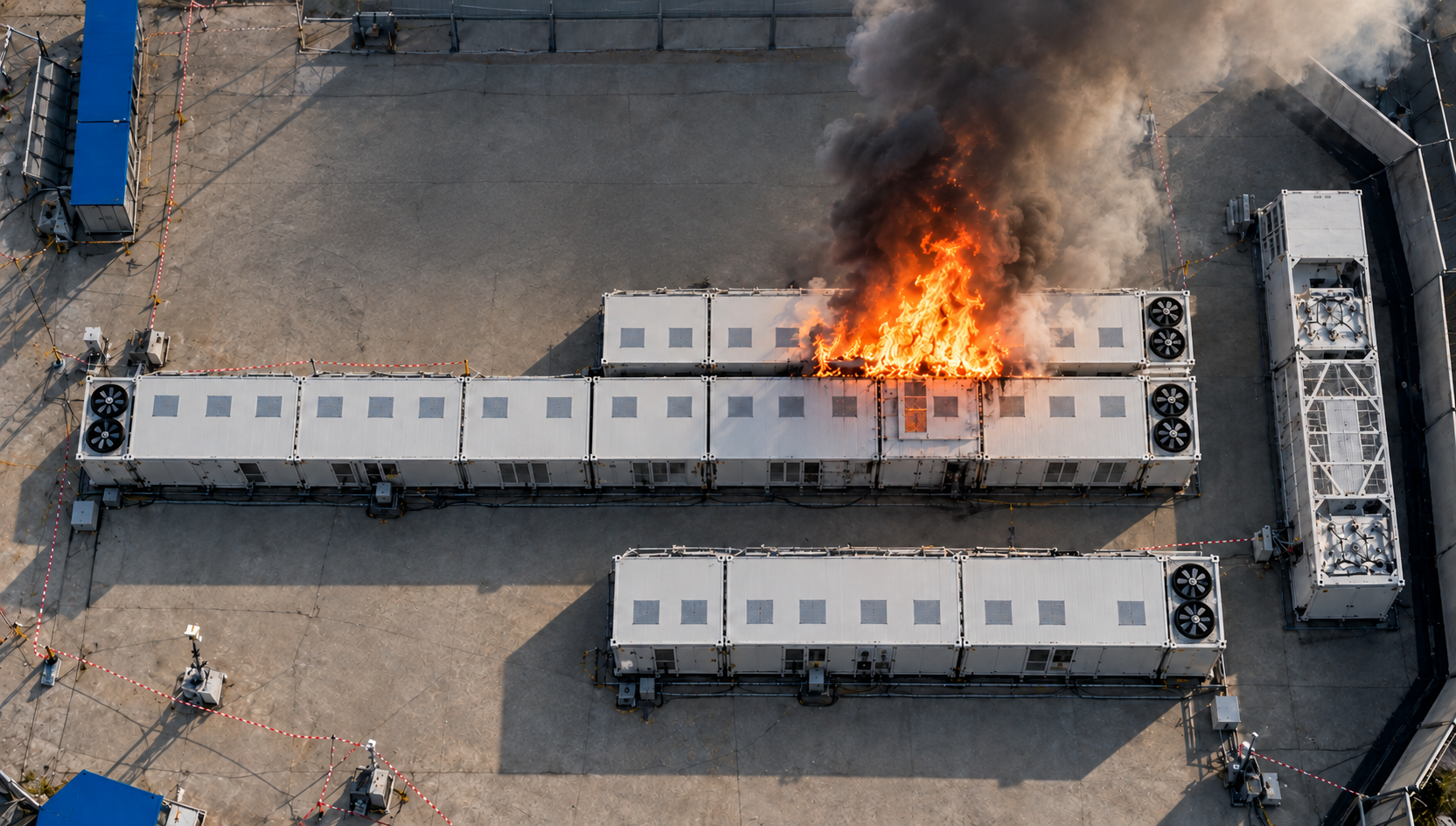
Envision has announced a 64 MWh site-level fire test of its Gen 8 AI energy storage system under 5 cm spacing, 100% SOC and disabled active protection systems.
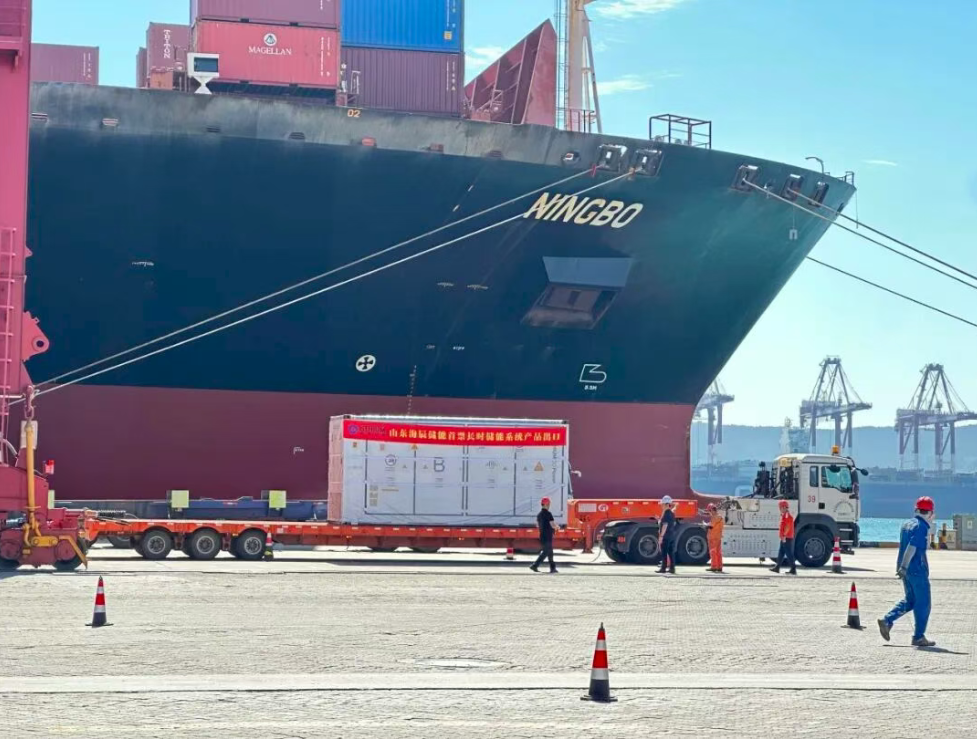
First 106 Units Shipped! HiTHIUM’s Shandong Heze Base Begins Large-Scale Overseas Deliveries of LDES
Source: HiTHIUM Recently, the Shandong HiTHIUM Long-Duration Energy Storage Integrated Industrial Park (Shandong Heze Base) marked its first international export since commencing mass production. The initial shipment—comprising 106 units of the ∞Power 6.25MWh 4-hour long-duration energy storage system prefabricated…
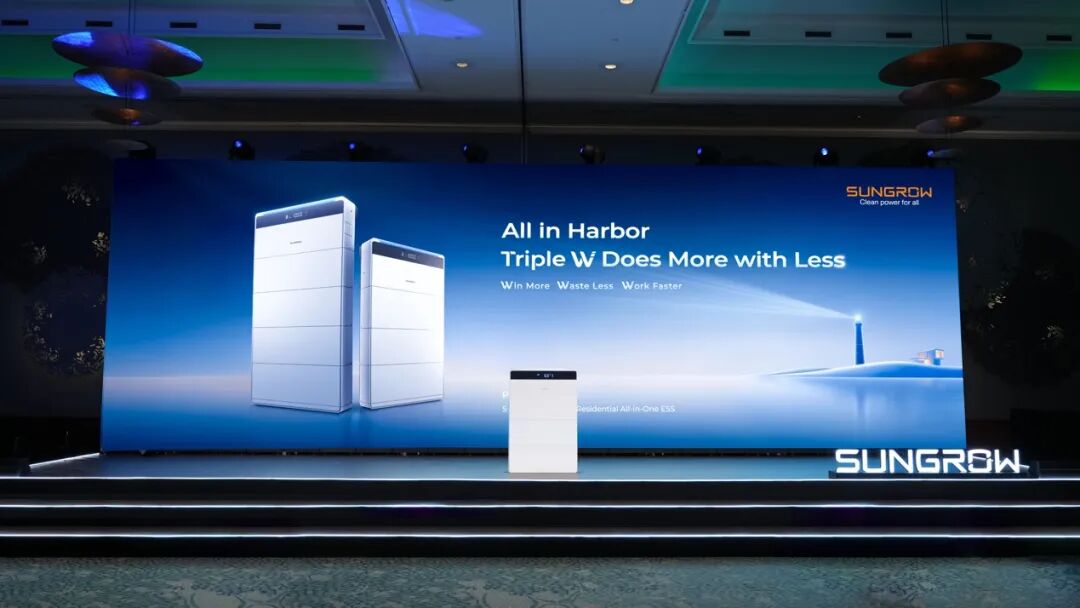
Exclusive: Sungrow Launches All-in-One PowerHarbor, Betting Benelux Home Storage Is Just Beginning
Rooftop solar is already widespread among Dutch households, yet relatively few homes have installed residential energy storage. Sungrow believes this market is only just beginning. On September 22, Sungrow held an event in Amsterdam to officially launch its PowerHarbor all-in-one residential energy storage system in…