Up 350%: Utility-Scale Battery Additions Overtake Residential Storage in Germany


On 22 October, Germany's solar industry association, BSW-Solar, released new data showing that more than 500,000 battery storage systems were commissioned in Germany during the first three quarters of 2026. Newly installed capacity reached approximately 8.2 GWh, up 91% year on year.
Utility-scale storage accounted for 3.8 GWh, representing an increase of around 350%. For the first time, Germany's new utility-scale storage capacity exceeded residential storage and captured close to half of the overall market.
The figure of 500,000 systems is impressive, but most of the capacity growth came from utility-scale projects. By market segment:
- Utility-scale storage: 3.8 GWh, up approximately 350%
- Residential storage: 3.2 GWh, up 20%
- Commercial and industrial storage: 0.7 GWh, up 67%
- Small-scale storage: 0.5 GWh, up 33%
Utility-scale storage represented approximately 46% of all newly added capacity.
Based on the year-on-year figures published by the association, Germany installed roughly 0.8 GWh of utility-scale storage and 2.7 GWh of residential storage during the same period last year. At that point, utility-scale storage remained far behind the residential market.
One year later, utility-scale additions had climbed to 3.8 GWh, while residential storage reached 3.2 GWh. The positions of the two segments have effectively reversed.
This does not mean that Germany's residential storage market is losing momentum. Residential capacity still increased by 20%. Utility-scale storage simply grew much faster, pulling up the expansion rate of the entire market.
Based on the published figures, Germany installed approximately 3.9 GWh more battery storage capacity during the first three quarters than it did in the same period last year. Nearly 3 GWh of that increase came from utility-scale projects. In other words, around three-quarters of the additional capacity was driven by large-scale storage.
Utility-Scale Storage Is Filling a System-Level Flexibility Gap
Why does the shift from residential to utility-scale storage matter?
Residential batteries primarily support rooftop solar self-consumption, lower household electricity costs and backup power. Utility-scale batteries, by contrast, can participate in wholesale electricity trading, price arbitrage and ancillary services, while also operating alongside solar and wind projects. Systems that meet the relevant requirements can also provide grid-balancing services.
BSW-Solar said Germany has now installed approximately 21 GW/34 GWh of battery storage, with residential systems accounting for around three-quarters of the total. However, many home batteries are still unable to participate effectively in electricity markets because Germany lacks suitable processes for large-scale aggregation and trading.
Germany does not simply need more batteries. It needs flexible resources that can be dispatched by the grid and participate in electricity markets. The rapid growth of utility-scale storage is beginning to fill that gap.
BSW-Solar expects Germany to add well over 10 GWh of battery storage during 2026. That is already a significant pace of deployment. However, the association argues that the country will need at least 50 GW/200 GWh of battery storage capacity by 2030.

Fraunhofer IEE has also modelled a scenario in which Germany adds 20 GW of four-hour battery storage, equivalent to approximately 80 GWh of capacity.
According to the analysis, this capacity could theoretically reduce Germany's annual electricity system costs by around €3.9 billion. Under the same scenario, the number of hours with negative electricity prices could fall by nearly 70%, while market-driven renewable curtailment could be reduced by more than half.

Germany's battery storage market is now expanding rapidly, but grid connections, dispatch mechanisms and market rules are still trying to catch up.
The addition of 8.2 GWh during the first three quarters shows that utility-scale projects are beginning to enter operation in greater numbers. Utility-scale storage overtaking residential storage also indicates that Germany's battery market is no longer centred only on storage as an accessory to rooftop solar. It is moving towards a market in which residential and utility-scale systems develop in parallel.
The next question is not how much storage Germany has planned. It is whether those projects can secure grid connections and reach commercial operation, and whether revenues from electricity-price arbitrage, ancillary services and other market activities can support sustainable investment returns over the long term.
Featured News
All News →
Dutch Home Storage Policy Boost: Government Moves to End "Double Taxation"
The Dutch government is exploring ways to prevent energy tax from being charged twice on electricity stored and re-exported by home batteries and V2G systems, although the metering rules and implementation timeline remain undecided.

Sonnen Files for Insolvency Two Months After Shell Sale
German home battery and virtual power plant pioneer Sonnen has filed for insolvency roughly two months after Shell sold the group to investment firm Tiven. Service for more than 150,000 existing customers is expected to continue, while parts of the group may be restructured or wound down. Sonnen's US operation, meanwhile, is reporting higher sales and production, pointing to a sharp regional divide.

UL Opens New Certification Pathway for Modular DC BESS and Compatible PCS
UL Solutions will evaluate modular DC energy storage systems with identified subsystems under applicable UL 9540 requirements and record compatible models in Product iQ. The pathway is intended to clarify certification and installation reviews, but it does not allow separately certified batteries and PCS to be combined without system-level evaluation.
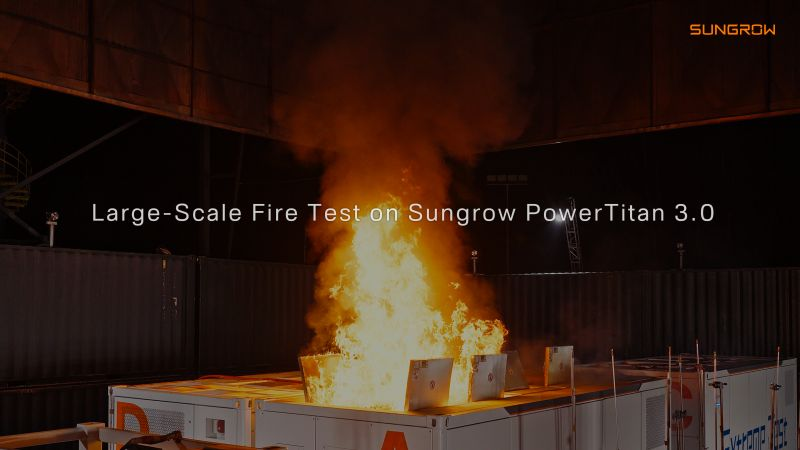
Sungrow's 28.56 MWh PowerTitan 3.0 Fire Test Contains Thermal Runaway Within a Single Unit
Sungrow's PowerTitan 3.0 has completed a large-scale fire test at 100% state of charge, with active fire suppression and thermal management systems disabled. During the 7.5-hour test, the internal temperature of the initiating unit peaked at 1,259.8°C, while thermal runaway did not propagate to adjacent battery units or the medium-voltage system.
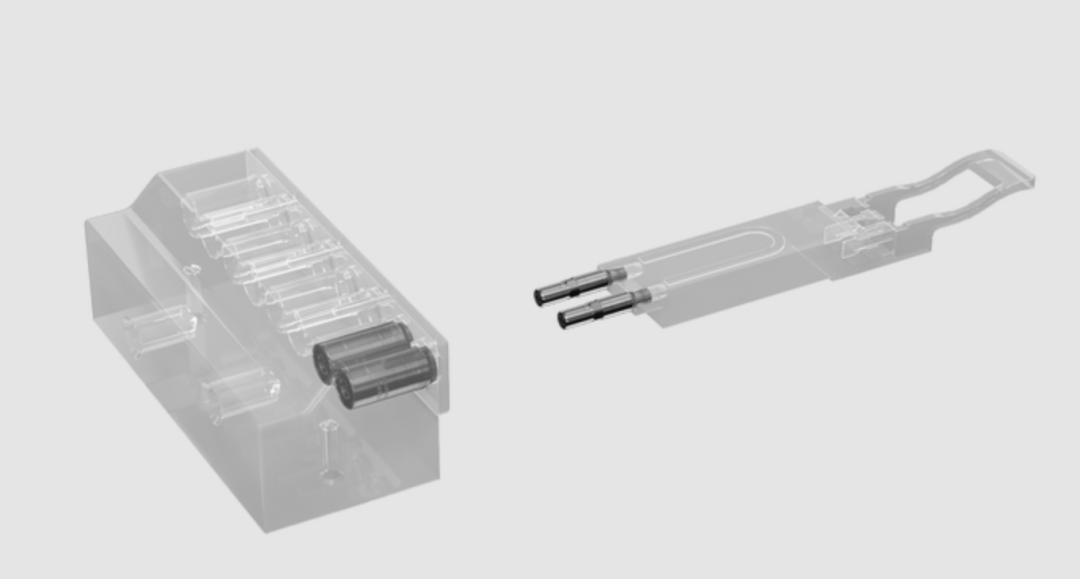
Beyond GPUs: AI Data Centers Are Bringing Liquid Cooling to Optical Transceivers
CoolIT Systems, Stäubli and Ciena have collaborated on a direct-to-plug liquid cooling architecture for next-generation pluggable optical transceivers, combining miniature quick-disconnect couplings with a dedicated OSFP cold plate to support the thermal demands of 3.2T-and-beyond optics in AI data centers.
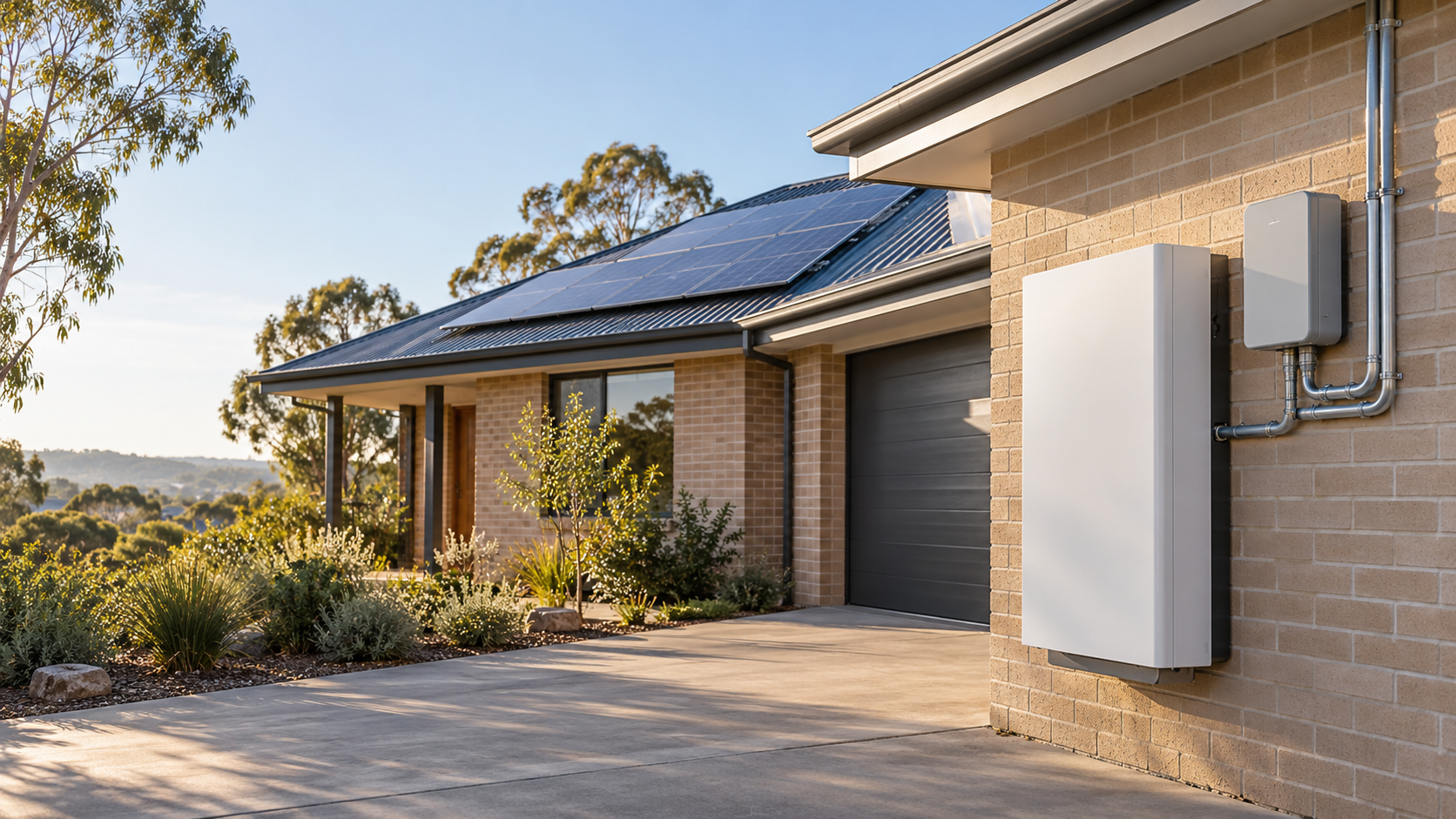
Australia Adds 276,000 Home Batteries as Uptake Outpaces AEMO Planning Assumptions
Australia added 8.7 GWh of home battery capacity in the first half of 2026. As installations accelerate, product portfolios, sales channels and subsidy rules are also reshaping access to the market.
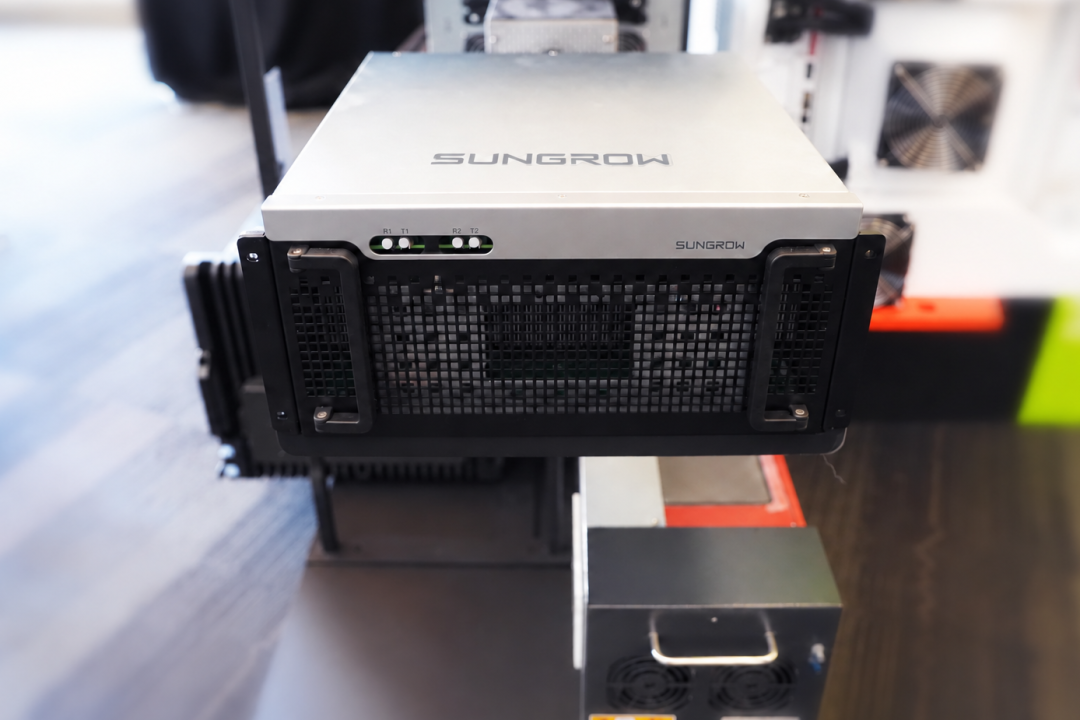
Sungrow's EnerNeo SST Reaches Commercial Deployment, Appears in NVIDIA's OCP Showcase
Sungrow's EnerNeo SST has moved from product launch to commercial delivery and operation under real computing loads in under 100 days. At the 2026 OCP Global Summit, its core modules appeared in the NVIDIA MGX AI Factory Ecosystem zone, while new TÜV Rheinland certifications marked another step towards deploying its 800 VDC power architecture across European and North American markets.

Europe's New Sodium-Ion Home Battery: 30,000 Cycles and Discharge Down to -40°C
Bulgarian company AuroraCell has introduced a 9.3 kWh low-voltage sodium-ion home battery for the European market, offering up to 30,000 cell-level cycles, discharge operation down to -40°C and expansion to 139.5 kWh through parallel installation. While its NCO chemistry shows potential advantages in cycle life, thermal stability and cold-weather operation, the headline claims remain subject to specified test conditions and require further third-party and system-level validation.