UL Opens New Certification Pathway for Modular DC BESS and Compatible PCS


UL Solutions has launched a new certification pathway for modular direct current energy storage systems, addressing a recurring challenge in projects that combine a DC battery system with separately supplied power conversion and other subsystems.
Announced on 20 October, the pathway evaluates a DC energy storage system together with each identified subsystem against the applicable requirements of UL 9540, the Standard for Energy Storage Systems and Equipment. UL said the assessment covers electrical safety, communication and interoperability. Compatible subsystem models will then be documented in the UL Product iQ certification database for manufacturers, developers and authorities having jurisdiction to verify.
The programme is aimed at applications including backup power for critical infrastructure and grid-scale storage. UL described it as an alternative to seeking a full matched-assembly system listing at the outset, while providing clearer documentation for modular installations.
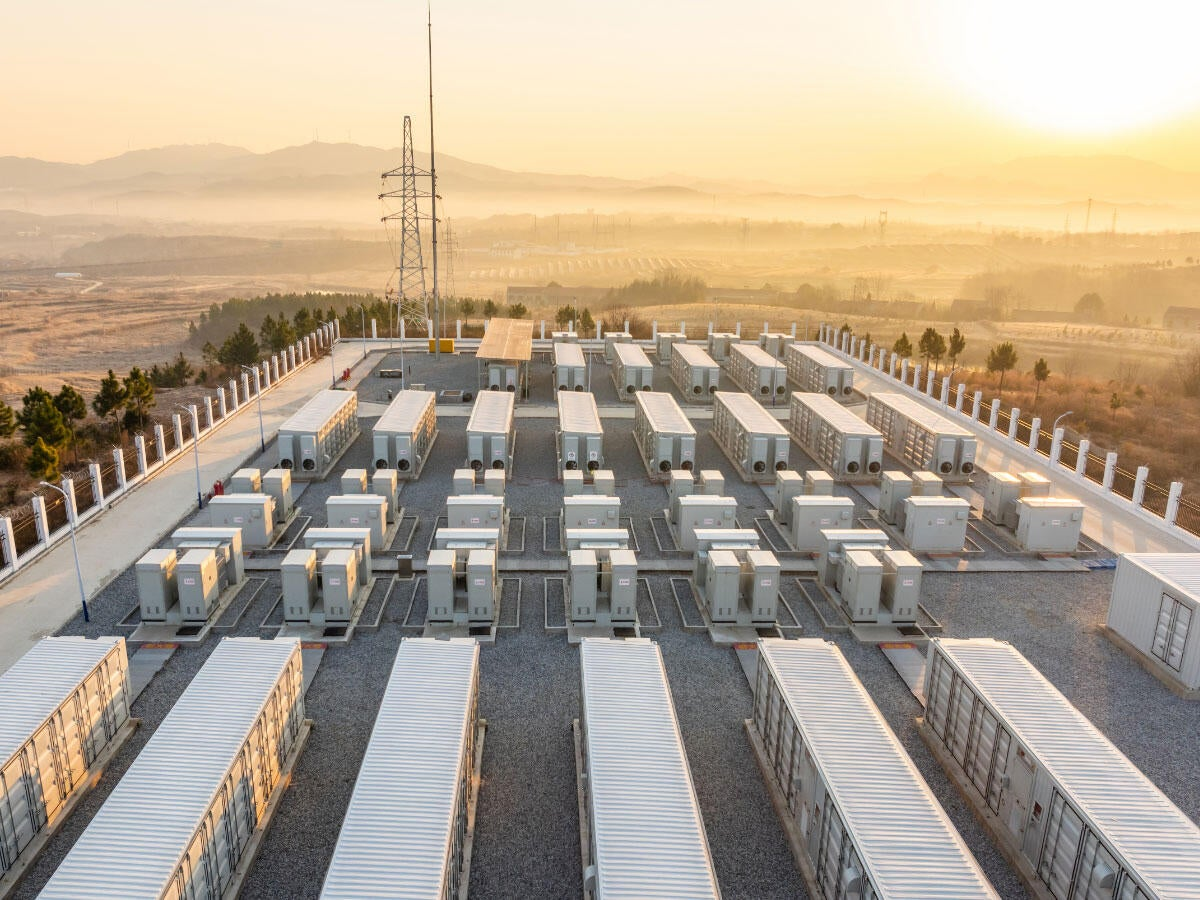
Modular energy storage systems are increasingly configured with separately supplied PCS and other subsystems. Source: UL Solutions.
From fixed assemblies to documented compatibility
UL 9540 applies to the complete energy storage system, rather than to a battery enclosure or PCS in isolation. The standard allows an ESS to be built as one complete unit or from matched assemblies connected in accordance with the manufacturer's instructions. Individual parts, including a battery or power conversion unit, are not treated as an ESS on their own.
This means a battery certified to UL 1973 and a PCS certified to UL 1741 do not automatically form a UL 9540-compliant system when connected together. Their short-circuit ratings, protection functions, battery management system communication, fault isolation and control logic still need to be assessed as an integrated combination.
The new pathway does not remove that requirement. Instead, UL will assess the DC ESS with specified subsystems and record the combinations that have been evaluated. For a code authority, the central question therefore becomes not only whether the individual products carry certifications, but whether the exact battery and PCS combination proposed for the project appears in UL's certification records.

UL's Pathway to Approval graphic compares a conventional full-system route with a DC ESS paired with an approved subsystem.
Source: UL Solutions.
Product iQ takes on a larger verification role
Product iQ is UL's database for product certifications, model numbers, ratings and conditions of acceptability. Under the new pathway, it will also document compatibility between a DC ESS and evaluated subsystems.
That could give each party in a North American project a clearer reference point. DC storage manufacturers can show which PCS models have been evaluated with their system. PCS suppliers can be included in a wider range of compatible configurations. Developers and EPC contractors can check combinations during procurement, while authorities having jurisdiction can verify that the equipment submitted for approval matches UL's records.
The database entry should not, however, be read as permission for open-ended mixing and matching. Only the specific models and configurations assessed and documented by UL would qualify as evaluated combinations. Changes to PCS hardware, firmware, communication protocols, BMS logic or critical electrical ratings may still require additional review.
The pathway does not lower UL 9540 requirements
The announcement concerns a certification service pathway, not a new safety standard. UL said the DC ESS and its identified subsystems will continue to be evaluated against all applicable UL 9540 requirements, including charging and discharging, protection, controls, communication and system-level electrical, electrochemical and mechanical safety.
It should also not be confused with UL 9540A. UL 9540 provides the product safety basis for the complete ESS, while UL 9540A is a test method used to assess thermal runaway and fire propagation. The modular certification pathway addresses the compatibility of the battery system, PCS and other identified subsystems. It does not remove applicable fire testing, installation-code requirements or project-specific fire review.
Certification under the pathway would not by itself guarantee project approval. An installation must still comply with the electrical, fire and building codes adopted in the relevant jurisdiction and remain subject to review by the local authority having jurisdiction.
Modular certification is not starting from zero
UL has previously introduced certification options intended to support modular storage architectures. In 2022, it launched its Energy Storage Equipment Subassemblies programme and certified three subassemblies for NHOA Energy. The service allowed manufacturers of large storage assets to procure certified battery and power-conditioning subassemblies for use in systems pursuing UL 9540 certification.
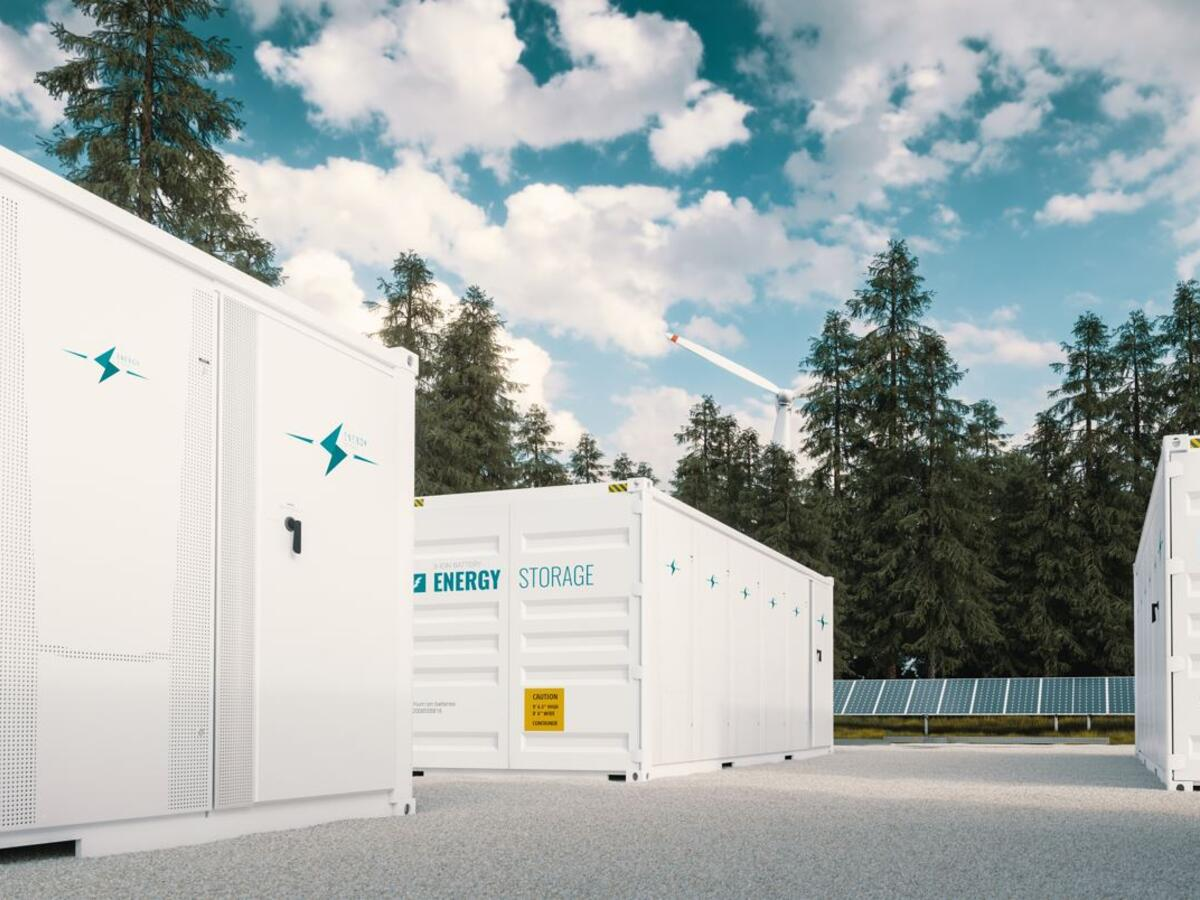
UL certified three energy storage equipment subassemblies for NHOA Energy in 2022. Source: UL Solutions.
The newly announced pathway places greater emphasis on the compatibility of a DC ESS with identified subsystems and on documenting the corresponding model combinations directly in Product iQ. UL has not yet explained in detail how the new service differs from the earlier subassembly programme in terms of certification ownership, testing scope or the process for adding further PCS models.
Why launch the pathway now
The announcement comes as utility-scale storage products move towards higher-capacity and increasingly standardised DC blocks. Twenty-foot units above 5 MWh are becoming more common in large projects. Increasing energy density can reduce the number of enclosures, foundations, lifts, auxiliary connections and DC cable runs required per unit of capacity. At the same time, developers and system integrators still want the flexibility to select PCS equipment that fits local grid requirements, procurement strategies and project designs.
Product architectures are becoming more modular, but North American certification practice still requires evidence that the selected components operate safely as one system. The new UL pathway attempts to create a clearer interface between those two realities: the system remains subject to UL 9540 evaluation, while combinations that have already been assessed can be identified and verified more directly.
For Chinese storage companies targeting North America, the change could make the breadth of a product's PCS compatibility list more commercially significant. Competition may increasingly involve not only whether a battery or PCS holds its own certification, but how many project-ready system combinations have been evaluated and documented.
Will certification become faster or cheaper
UL said the pathway is intended to reduce certification complexity and can provide an accelerated route to a full system listing when one is required. The company has not, however, published expected reductions in testing, cost or lead time.
It has also not identified an initial certified manufacturer or product, disclosed the relevant Product iQ category code, or explained how firmware changes and new subsystem models will be handled. The number of compatible subsystems that may be documented for a single DC ESS also remains unclear.
What is clear is that UL is seeking to move compatibility claims beyond project documentation and into certification records that can be checked by developers and code authorities. As battery, PCS and control-system supply chains become more specialised, those records could become a more important part of equipment selection and technical due diligence in North American storage projects.
Featured News
All News →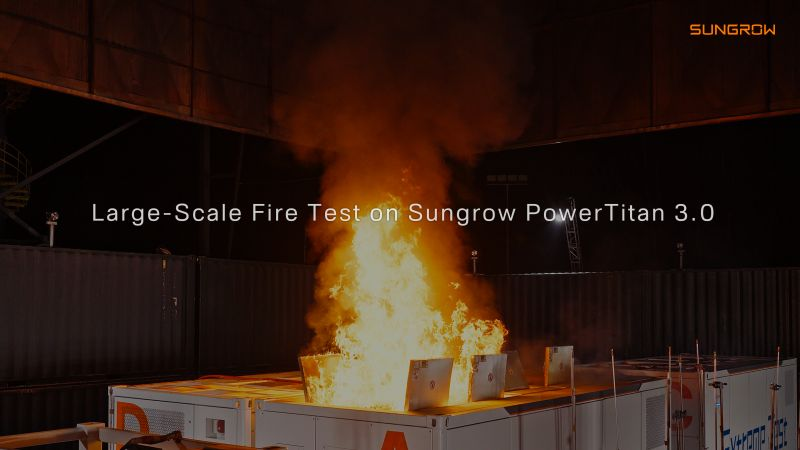
Sungrow's 28.56 MWh PowerTitan 3.0 Fire Test Contains Thermal Runaway Within a Single Unit
Sungrow's PowerTitan 3.0 has completed a large-scale fire test at 100% state of charge, with active fire suppression and thermal management systems disabled. During the 7.5-hour test, the internal temperature of the initiating unit peaked at 1,259.8°C, while thermal runaway did not propagate to adjacent battery units or the medium-voltage system.
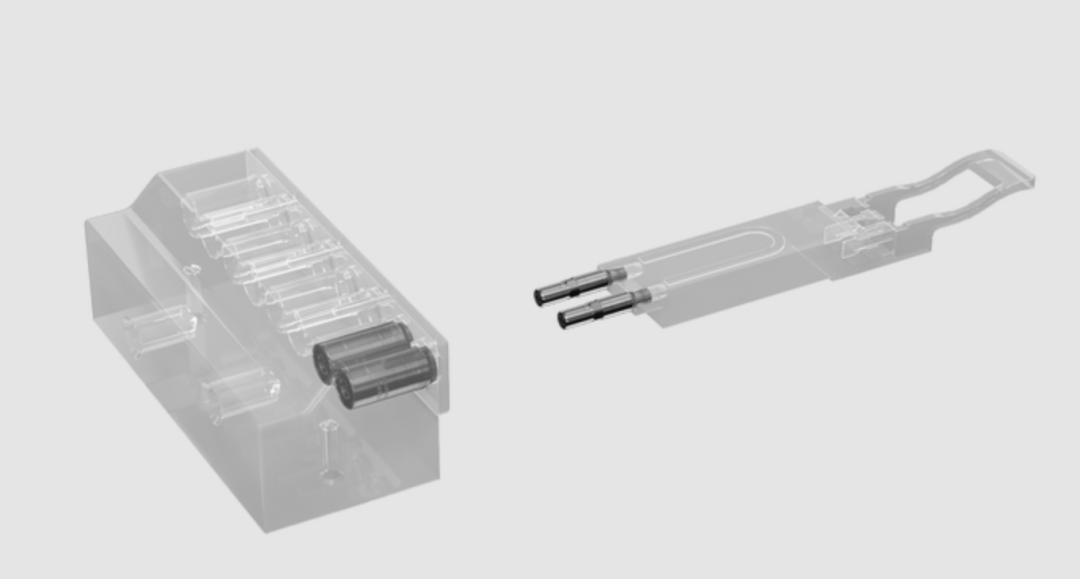
Beyond GPUs: AI Data Centers Are Bringing Liquid Cooling to Optical Transceivers
CoolIT Systems, Stäubli and Ciena have collaborated on a direct-to-plug liquid cooling architecture for next-generation pluggable optical transceivers, combining miniature quick-disconnect couplings with a dedicated OSFP cold plate to support the thermal demands of 3.2T-and-beyond optics in AI data centers.
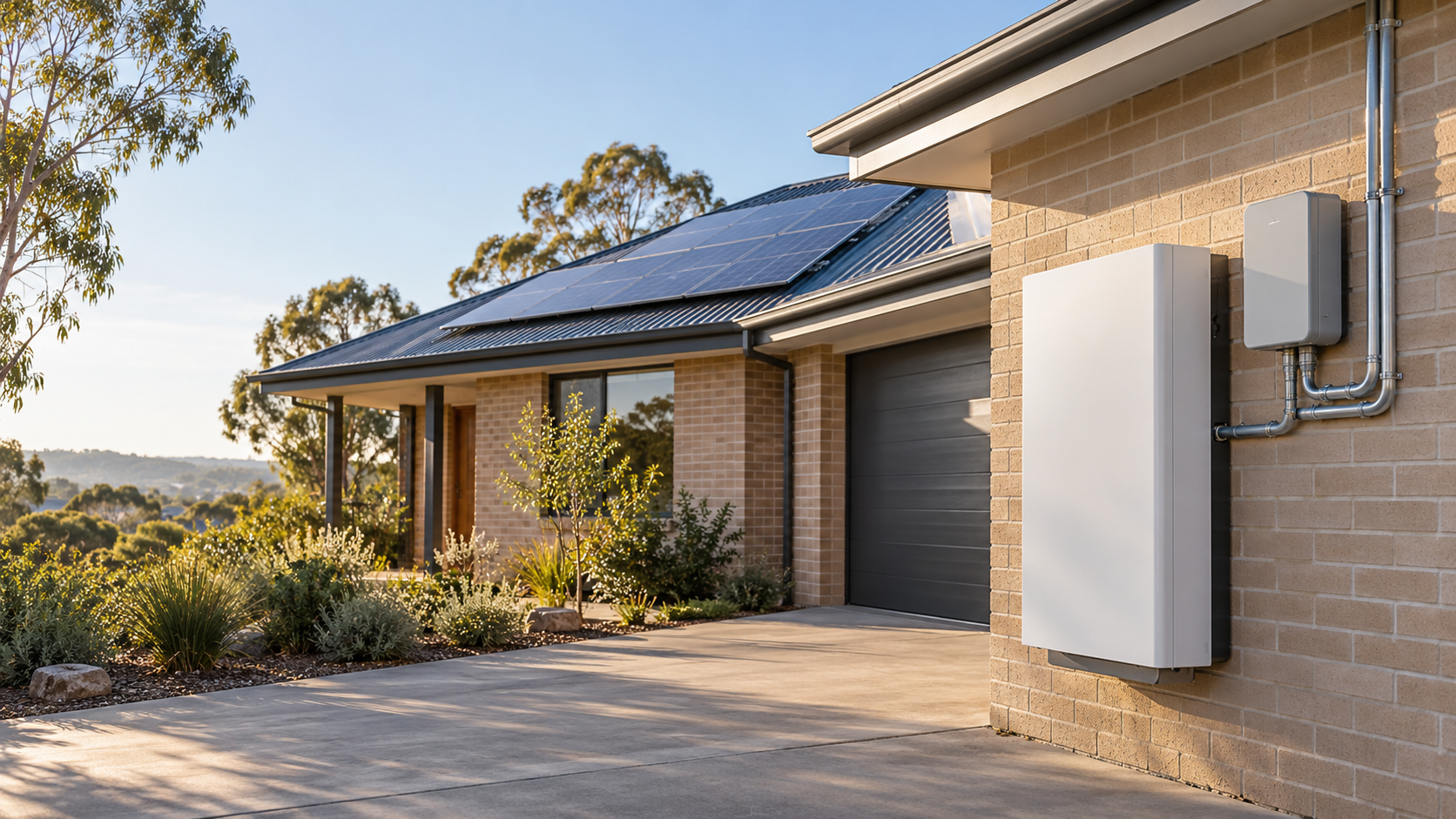
Australia Adds 276,000 Home Batteries as Uptake Outpaces AEMO Planning Assumptions
Australia added 8.7 GWh of home battery capacity in the first half of 2026. As installations accelerate, product portfolios, sales channels and subsidy rules are also reshaping access to the market.
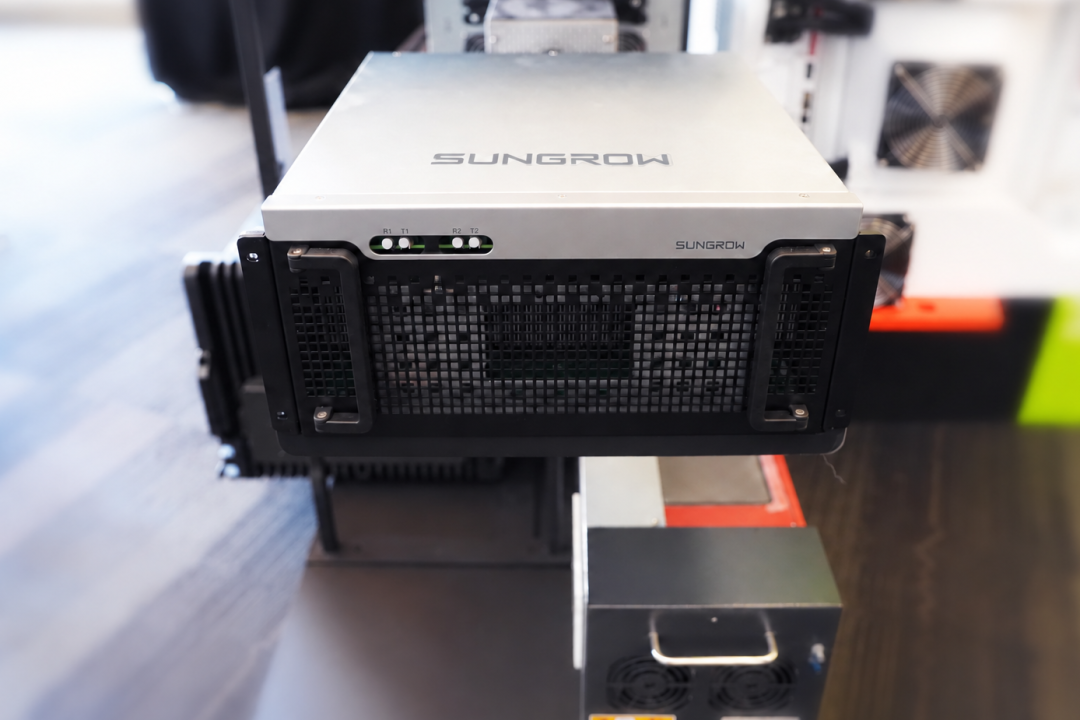
Sungrow's EnerNeo SST Reaches Commercial Deployment, Appears in NVIDIA's OCP Showcase
Sungrow's EnerNeo SST has moved from product launch to commercial delivery and operation under real computing loads in under 100 days. At the 2026 OCP Global Summit, its core modules appeared in the NVIDIA MGX AI Factory Ecosystem zone, while new TÜV Rheinland certifications marked another step towards deploying its 800 VDC power architecture across European and North American markets.
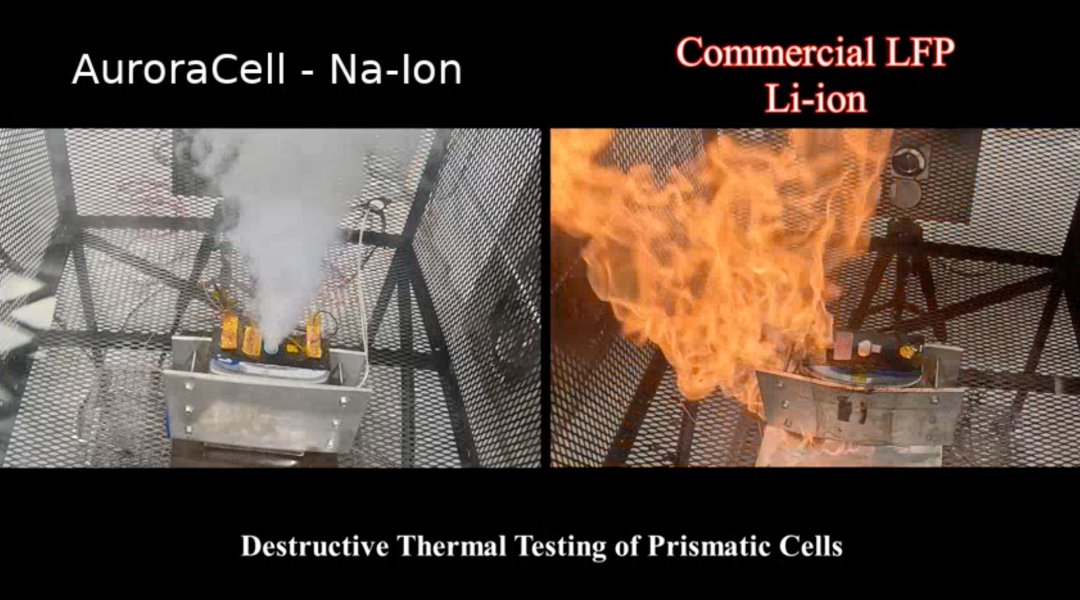
Europe's New Sodium-Ion Home Battery: 30,000 Cycles and Discharge Down to -40°C
Bulgarian company AuroraCell has introduced a 9.3 kWh low-voltage sodium-ion home battery for the European market, offering up to 30,000 cell-level cycles, discharge operation down to -40°C and expansion to 139.5 kWh through parallel installation. While its NCO chemistry shows potential advantages in cycle life, thermal stability and cold-weather operation, the headline claims remain subject to specified test conditions and require further third-party and system-level validation.
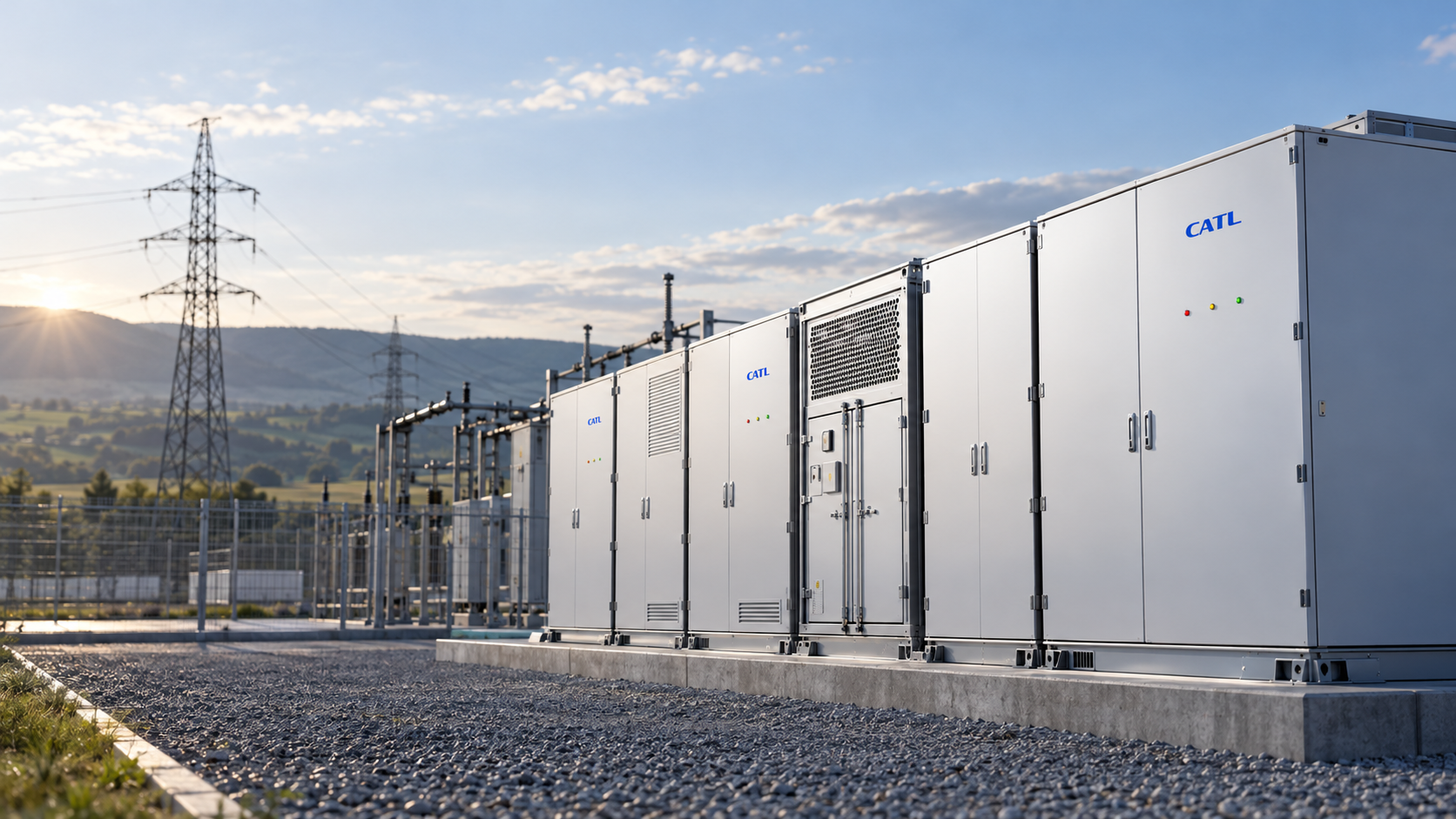
CATL TENER Sodium Moves Deeper into Europe with Intilion and Merus Power
Europe's sodium-ion BESS market is beginning to move from product launch to system integration. Energy-Storage.news reported that Germany-based Intilion has tied up with CATL to realise sodium-ion BESS projects in the DACH region, targeting up to 3 GWh, while Finland's Merus Power is working on technical integration between its PCS solution and CATL's sodium-ion BESS platform. The latest moves follow CATL's 5 GWh sodium-ion storage partnership with Alfen in July and the launch of its TENER Sodium system in Munich in June, suggesting that European integrators are preparing for sodium-ion storage before the technology becomes fully mainstream.
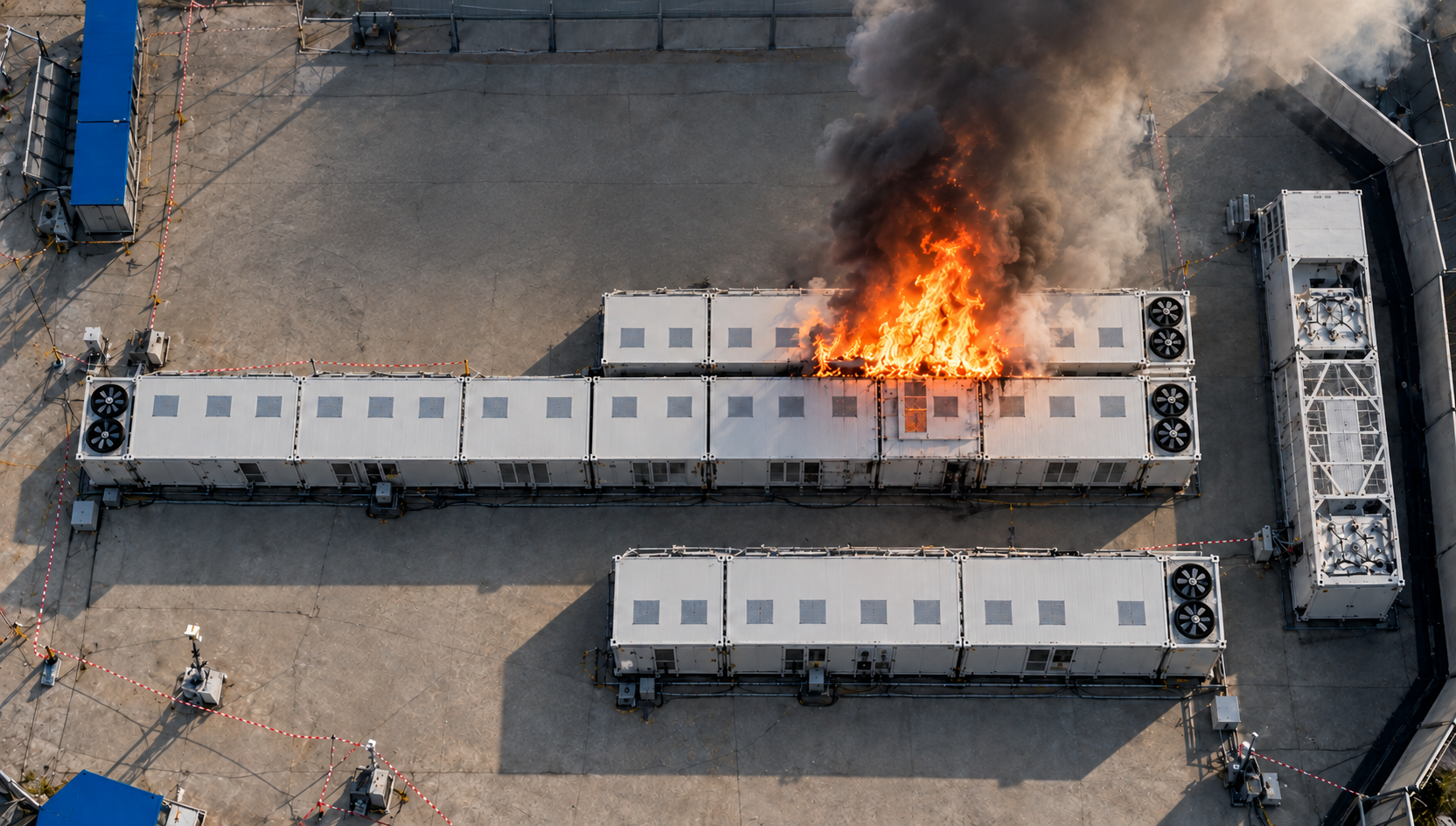
Envision Gen 8 Completes 64 MWh Site Level Fire Test
Envision has announced a 64 MWh site-level fire test of its Gen 8 AI energy storage system under 5 cm spacing, 100% SOC and disabled active protection systems.
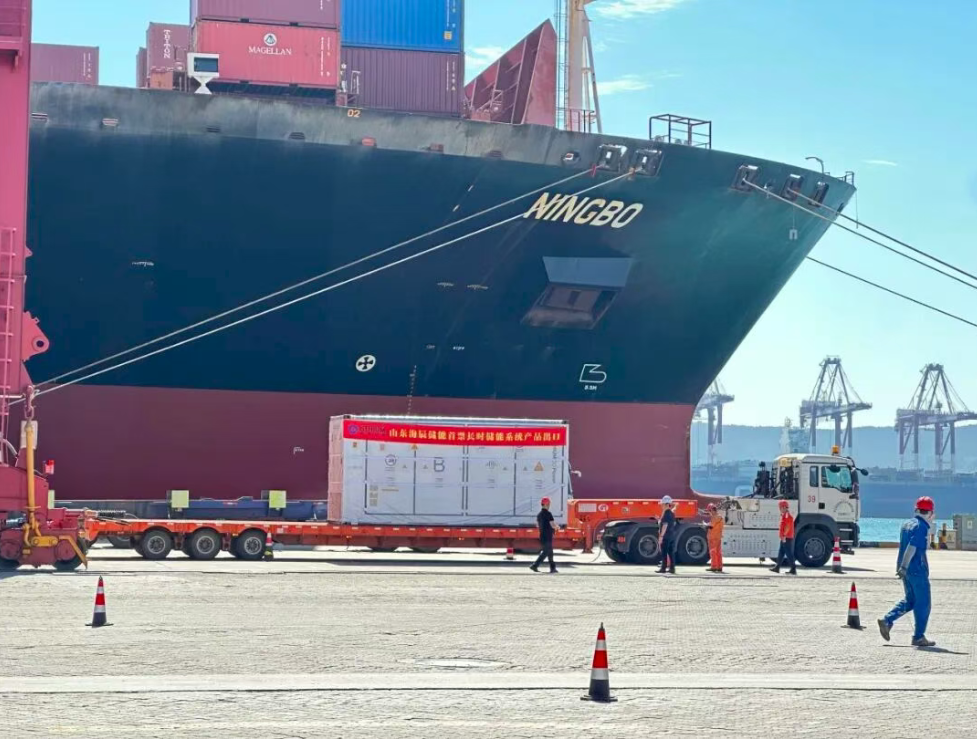
First 106 Units Shipped! HiTHIUM’s Shandong Heze Base Begins Large-Scale Overseas Deliveries of LDES
Source: HiTHIUM Recently, the Shandong HiTHIUM Long-Duration Energy Storage Integrated Industrial Park (Shandong Heze Base) marked its first international export since commencing mass production. The initial shipment—comprising 106 units of the ∞Power 6.25MWh 4-hour long-duration energy storage system prefabricated…