S&P Global Energy Releases the 2026 Tier 1 Cleantech Companies List


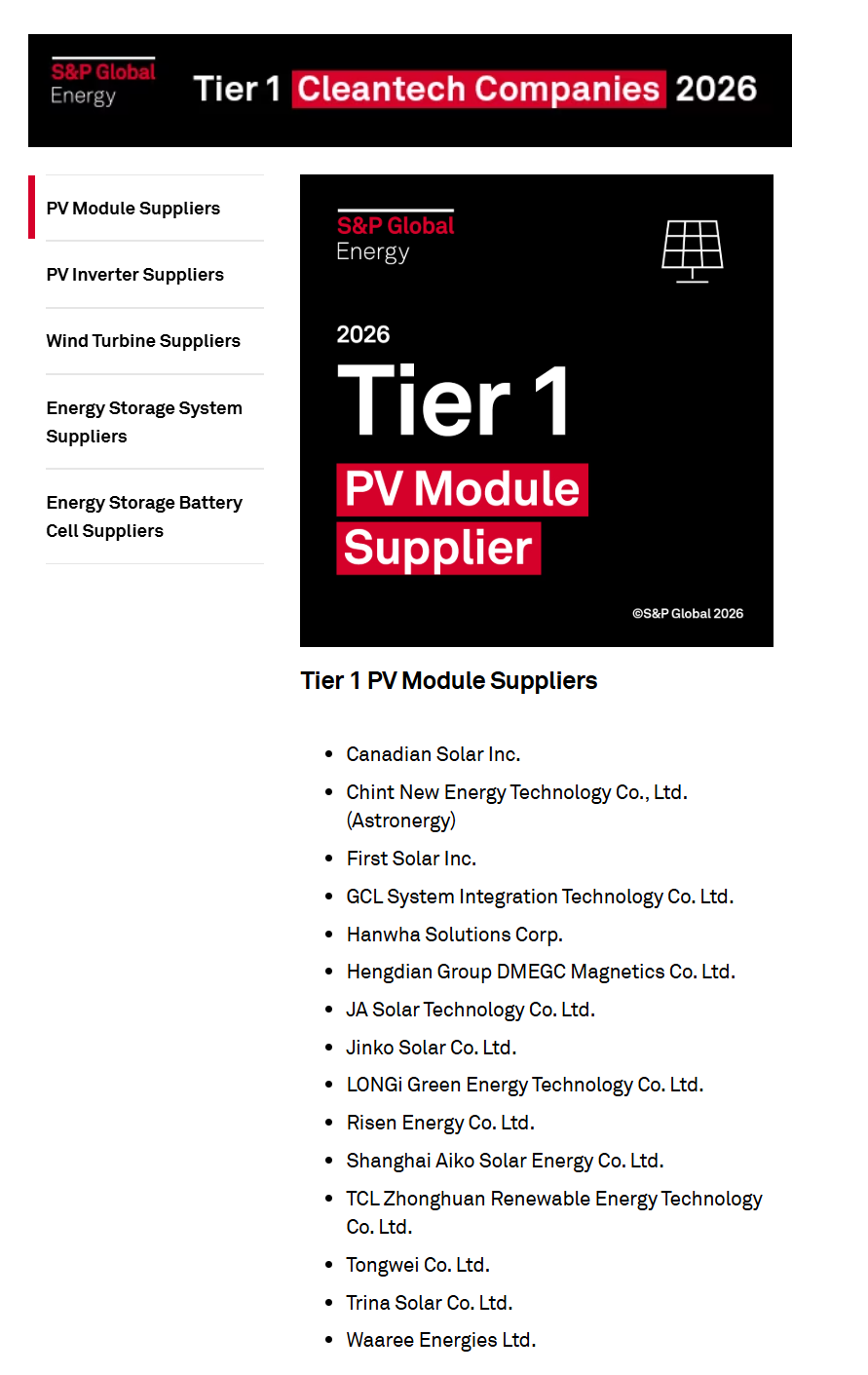
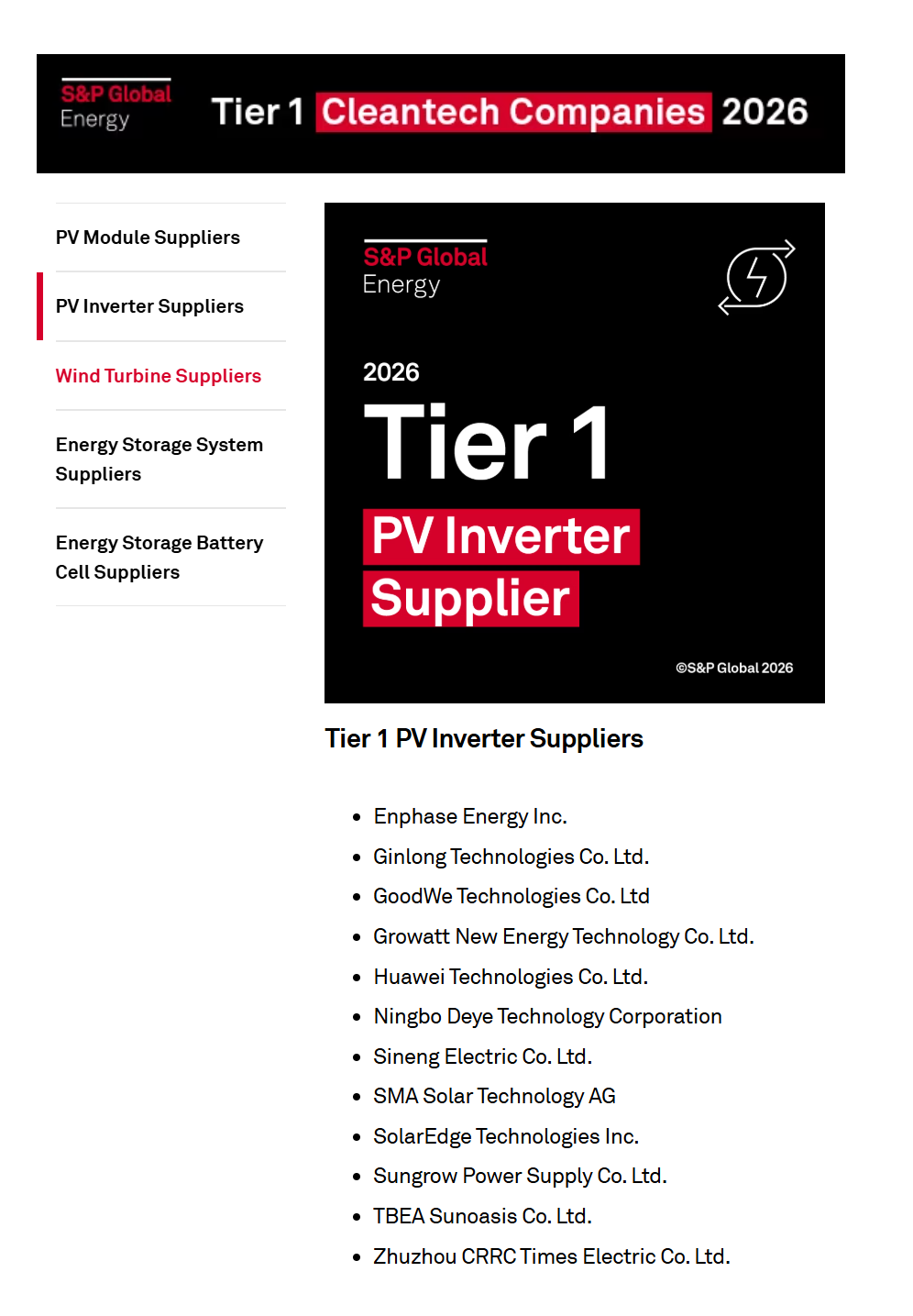
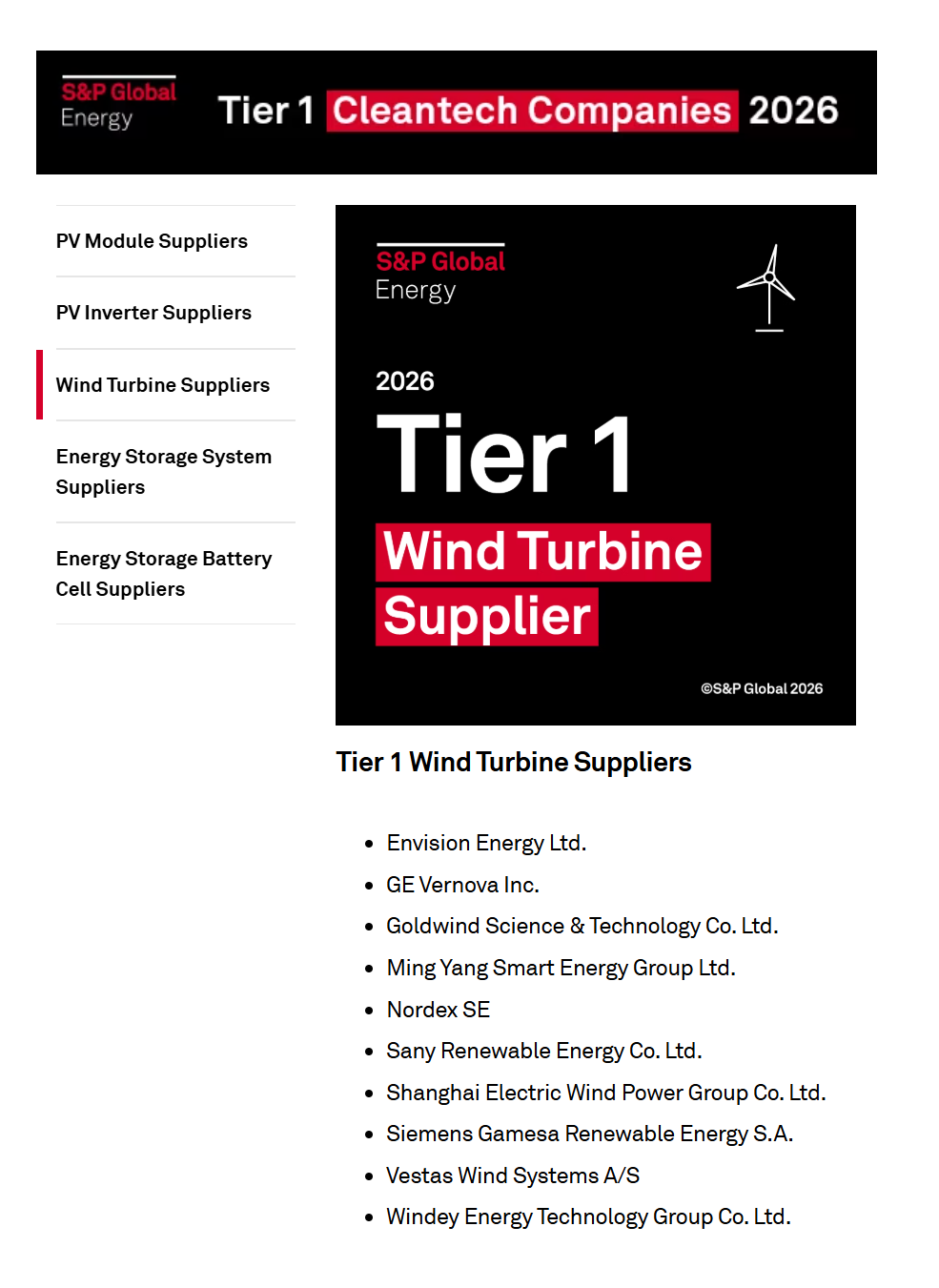
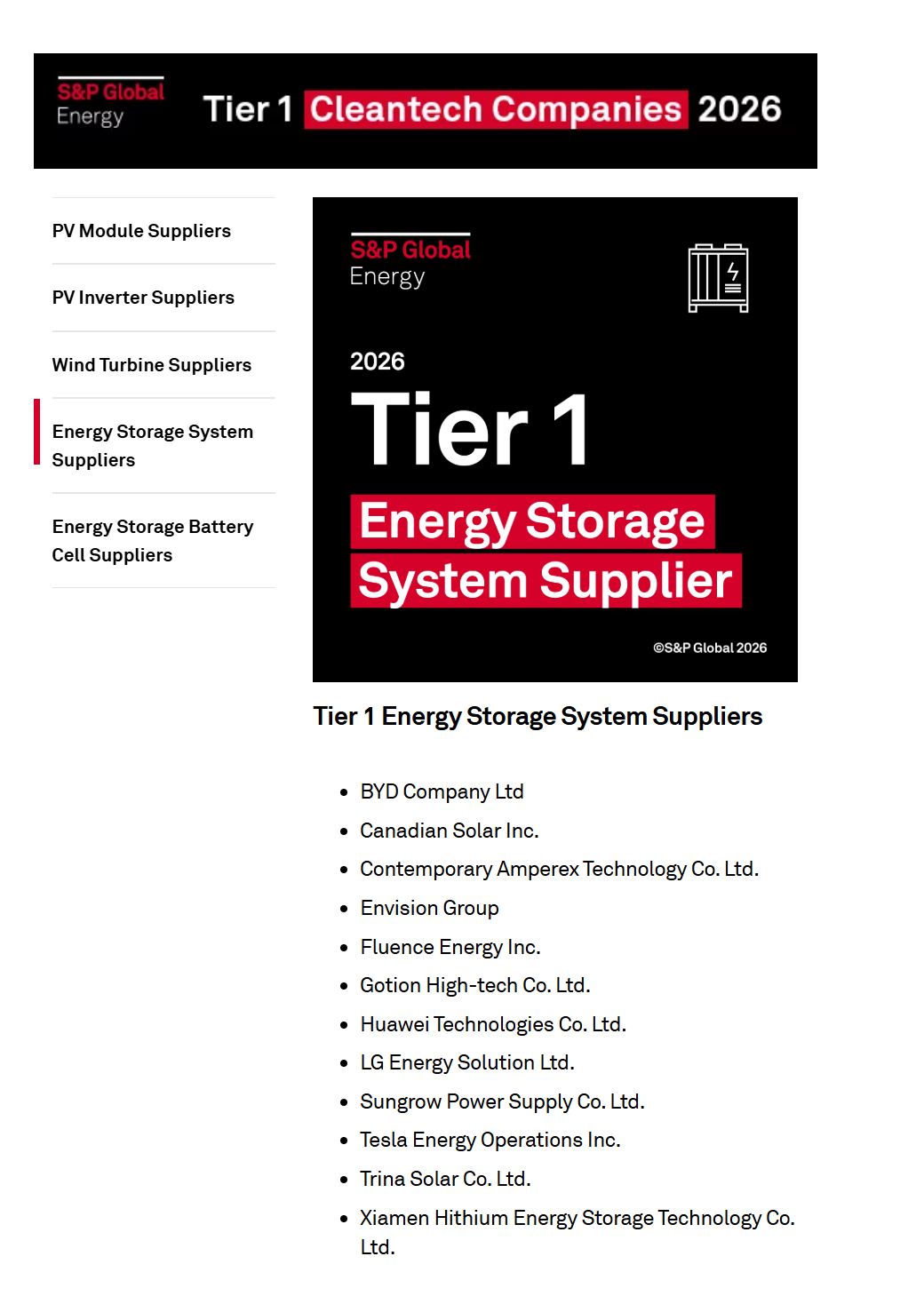
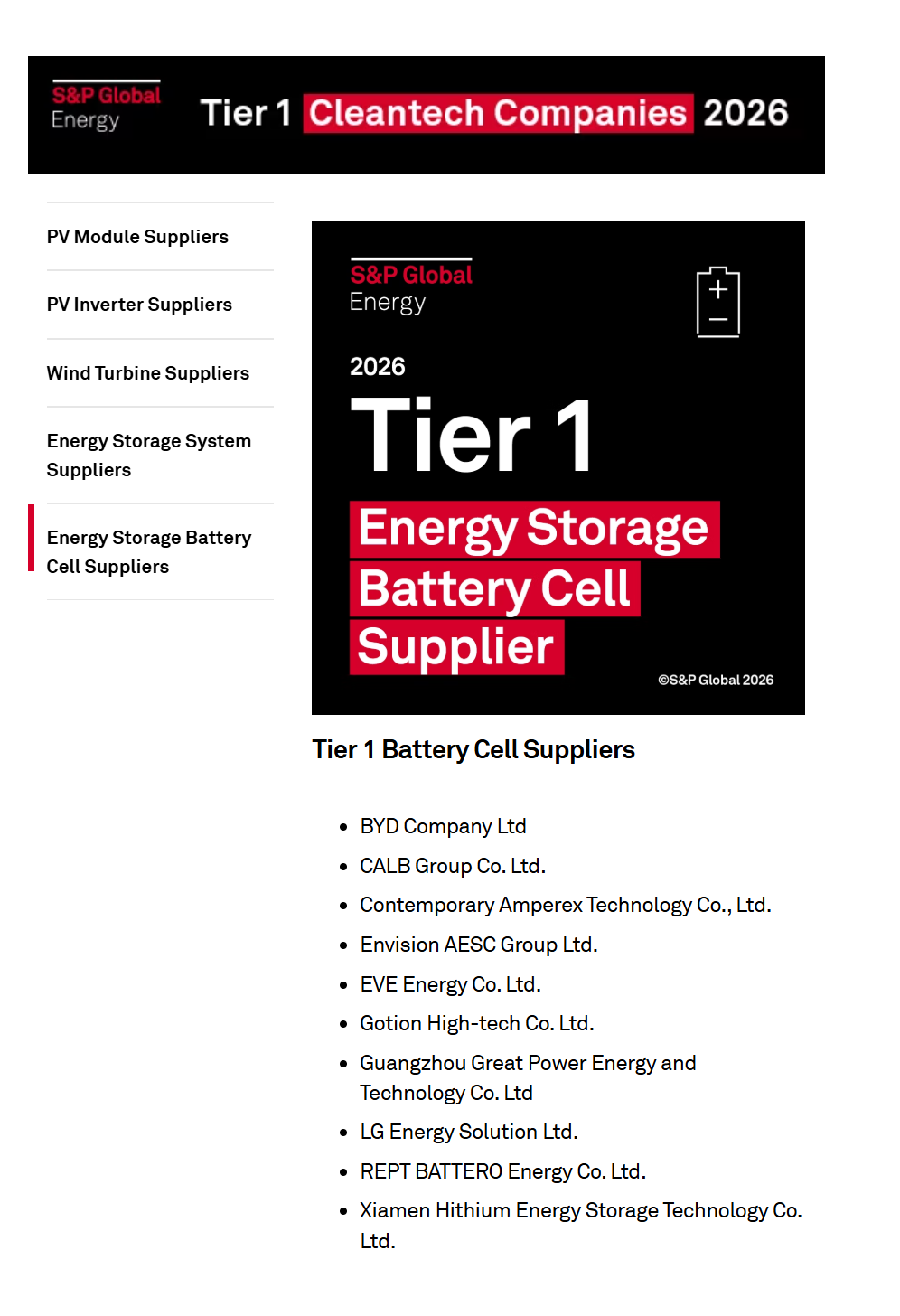
S&P Global Energy recently released the 2026 Tier 1 Cleantech Companies list, covering five categories: PV modules, PV inverters, wind turbines, energy storage systems, and energy storage batteries.
The 2026 list includes:
• 15 PV module suppliers
• 12 PV inverter suppliers
• 10 wind turbine suppliers
• 12 energy storage system (BESS) suppliers
• 10 energy storage battery suppliers
Compared with the inaugural 2025 edition, the 2026 assessment adds energy storage battery suppliers as a new category. Tier 1 is not a conventional corporate ranking or investment recommendation, but a supplier classification based on multiple criteria, including market performance, scale, financial strength, and sustainability. S&P Global Energy first identifies the top 30 companies by global shipments or installations in each technology category, and then conducts a further assessment.
The 2026 assessment focuses primarily on four dimensions:
- Market performance: Global shipments, installations, and market influence
- Scale and globalization: Production capacity and global market coverage
- Financial strength: Financial performance and credit risk assessed using RiskGaugeTM
- Sustainability: Sustainability performance assessed using indicators such as the S&P Global Corporate Sustainability Assessment (CSA)
The 2026 list also reflects a growing divergence across different clean energy equipment markets. The PV module market continues to face oversupply, pricing pressure, and declining profit margins, with industry consolidation continuing; meanwhile, the inverter market is being affected by factors including local content requirements, cybersecurity, and supply chain regulations.
In contrast, the energy storage market remains in a period of rapid growth. With rising electricity demand, increasing power consumption from data centers, and growing requirements for grid flexibility, global battery energy storage deployment is expected to continue expanding rapidly.
At the same time, the energy storage sector has attracted a large number of new entrants over the past two years, and the competitive landscape across the battery and BESS supply chains is also evolving. S&P Global Energy's inclusion of energy storage battery suppliers in the Tier 1 assessment is one of the key changes in the 2026 list compared with the previous year.
It is important to note that S&P Global Energy explicitly states that Tier 1 is not a ranking from 1 to N, but rather identifies a group of suppliers that meet the required standards across multiple dimensions, including market performance, scale, financial strength, and sustainability. For developers, procurement teams, and other industry participants, this classification can primarily serve as a reference for supplier selection and market research.
Featured News
All News →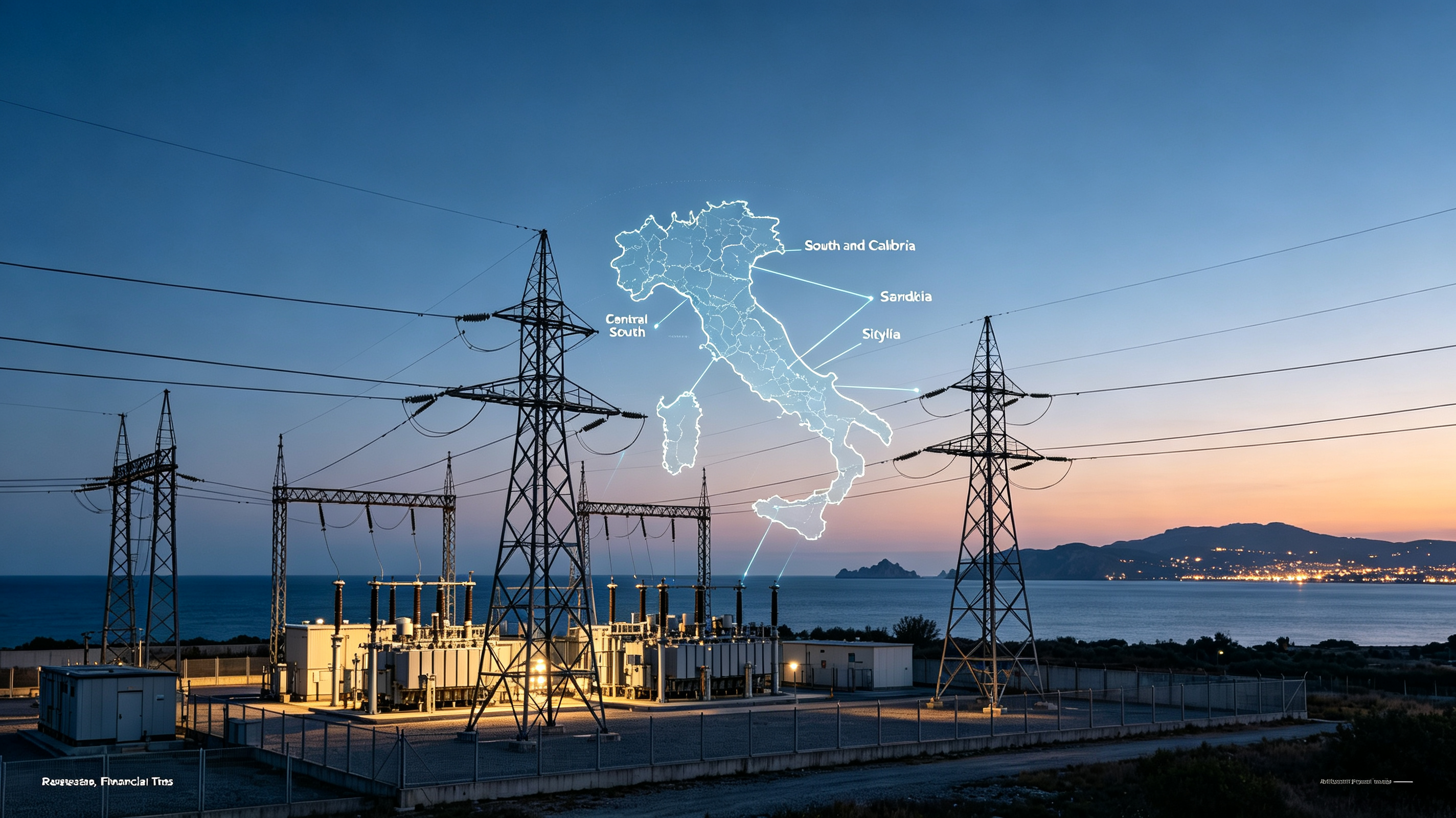
Italy Opens 16GWh Storage Auction Today as Second MACSE Round Expands by 60%
Italy will open its second MACSE energy storage auction on 24 November, procuring up to 16GWh of capacity from new projects scheduled for delivery in 2029. Compared with the first auction, procurement volume has increased by 60%, while the maximum permitted bid has been reduced from €37,000/MWh/year to €27,000/MWh/year. The results will provide a new indication of competition, regional deployment and current cost levels in Italy's energy storage market.

The Real Test Comes When the Grid Goes Down: 1,000 Witness MWh-Scale Diesel–Battery Microgrid Demonstration
A live MWh-scale demonstration at Sungrow GEPS 2026 showcased how battery storage, diesel generation and grid-forming technology can work together to deliver reliable power in off-grid applications. ENERGY PLANET joined the event to explore the technical highlights and their implications for future C&I energy storage projects.

Tesla Launches 7.4MW Powercore: Connecting Batteries Directly to the 34.5kV Grid and Medium Voltage to 800V Data Centres
Tesla has launched Powercore, a solid-state medium-voltage platform integrating transformer, bidirectional inverter and circuit-breaker functions. Rated at 7.4MW, it connects 800V–2,000V DC systems with 10kV–34.5kV AC networks, targeting battery storage, solar and 800V AI data centres. The first units are scheduled to operate in 2027, although Tesla has not disclosed pricing, customers or initial projects.
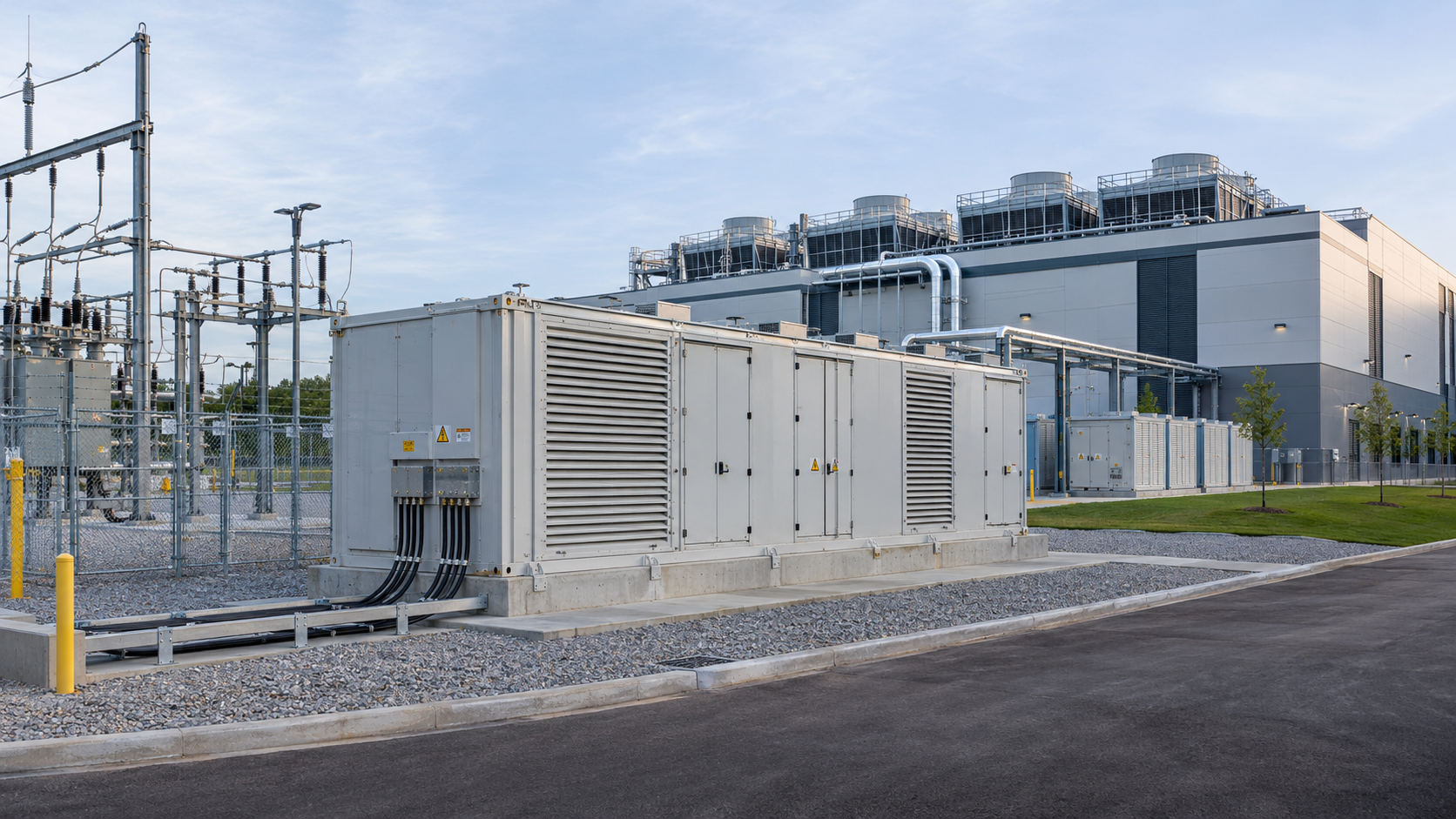
UPS Moves to the Grid Edge as Vertiv Launches 3 MVA Medium-Voltage System
Vertiv has launched the 3 MVA PowerNexus MV UPS, moving UPS functionality from the indoor low-voltage side to the outdoor 34.5kV grid connection point. Designed for new and expanding AI data centres, the system integrates fault ride-through, AI load smoothing, power-quality control and one-to-four-hour battery backup. Following a proof-of-concept demonstration in Bologna, commercial shipments are expected to begin in mid-2027.

Envision Gen 8 Selected for 442 MWh Grid Forming BESS in Germany Taking Partnership Close to 600 MWh
Envision Energy and German storage developer ju:niz Energy are advancing the 442 MWh Smareg 13 project in Bavaria. The four-hour, grid-forming development is planned next to the operational Smareg 12 site, while public records currently show a 100 MW/401 MWh configuration and a March 2028 target date.

CATL Delivers First 8-Hour EnerQB Systems for Quinbrook's 24GWh Australian Pipeline
CATL and Quinbrook Infrastructure Partners have completed production and delivery of the first EnerQB long-duration energy storage systems. Designed for eight-hour discharge, the initial units will undergo a 12-month trial at Stanwell Power Station in Queensland, Australia. Quinbrook has identified a potential 3GW/24GWh project pipeline, although wider deployment will depend on trial results, financing, grid connections and subsequent procurement.

1.24GWh! Sungrow Supplies Europe's Largest Operational Energy Storage Project
BW ESS’s Hams Hall project in the UK has officially brought its first phase online, with 350MW/1.243GWh of capacity, making it the largest operational battery storage project in Europe. Sungrow supplied the BESS, with Energy-IO and other partners involved in project delivery. The project also secured a 10-year optimisation agreement with EDF, debt financing from international banks and equity investment from AIP, highlighting the full value chain behind Europe’s GWh-scale storage projects, from equipment supply and project delivery to commercial operations and financing.

BNEF's Q4 Energy Storage Tier 1 List Shrinks 26% to 50 Manufacturers
BloombergNEF has named 50 manufacturers to its Q4 2026 Tier 1 Energy Storage list. Based on publicly available company disclosures, Energy Planet has confirmed 19 of the manufacturers and compiled historical inclusion records for 12 of them. While a single appearance shows that a supplier met the criteria for that quarter, repeat inclusion offers a stronger indication of its ability to maintain a pipeline of qualifying projects. Tier 1 remains a measure of market adoption, however, rather than a product-quality ranking, corporate credit rating or substitute for project-level technical and financial due diligence.