Sunrun Packs AI Compute Into Homes: A New Monetization Model for Residential Storage Is Here


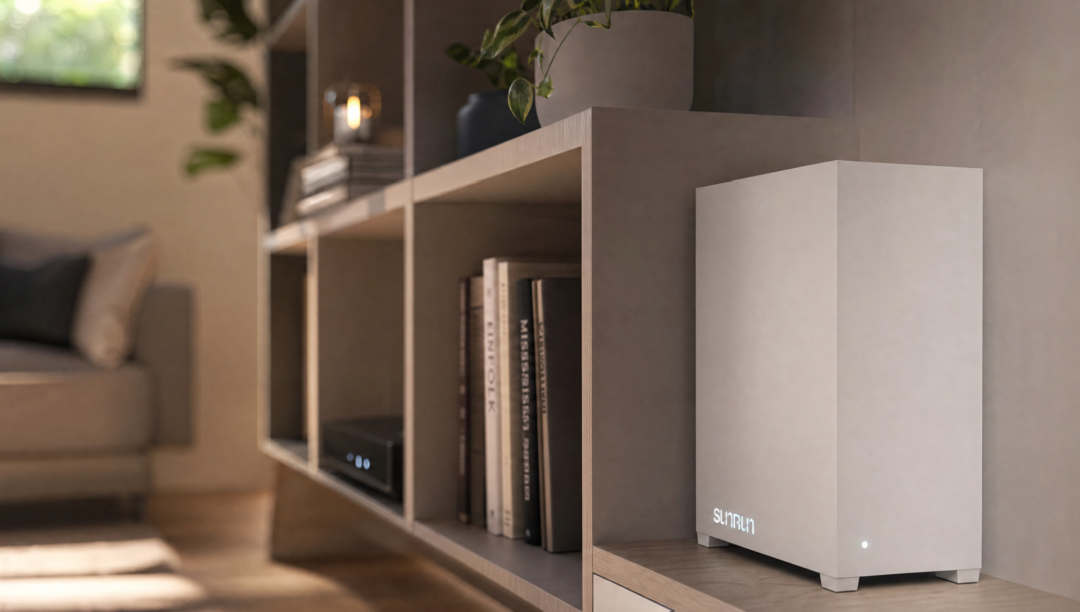
On July 8, Sunrun announced the launch of a distributed AI compute pilot program: deploying compute nodes in homes that have already installed Sunrun solar and battery systems, which are then coordinated by Sunrun to sell the AI inference capacity provided by these nodes to enterprise-level compute buyers, while participating households receive corresponding compensation.
Sunrun currently possesses over 1.1 million customers, which constitutes the potential deployment foundation for distributed compute nodes. For Sunrun, this pilot is not merely about adding a computing device to a home, but rather an attempt to further transform the solar, battery, intelligent energy management systems, and service networks that have already entered residences into dispatchable computing infrastructure. What deserves even more attention is that residential solar-plus-storage is no longer just power generation and backup equipment, but is beginning to become an energy gateway, a compute gateway, and a flexibility asset gateway in the AI era.
01 The Bottleneck of AI Data Centers Is Shifting From "Whether Chips Exist" to "Where Power Is Available"
Over the past few years, the competition in AI infrastructure has primarily revolved around GPUs, servers, models, and data centers. However, as compute demand continues to grow, more and more projects are starting to get stuck on more fundamental, underlying issues, such as power interconnection, grid connection cycles, transmission capacity, land, cooling, and local permitting.
Traditional data centers adopt a centralized construction logic: first finding land, then building server rooms, configuring power supply and cooling systems, and finally completing grid interconnection. This model is suitable for large-scale training and high-density compute clusters, but its construction cycle is long, power demand is highly concentrated, and it easily further exacerbates grid stress in localized regions.
Sunrun is tapping not into AI training, but AI inference. This is crucial, as the infrastructure requirements for the two are not entirely identical. Training typically requires large-scale, tightly synchronized computing clusters, where centralized data centers hold a distinct advantage; inference workloads, conversely, are relatively modular, can be geographically distributed, and attach greater importance to latency and proximity to end-users.
Sunrun cited a McKinsey projection in its announcement stating that demand for AI inference is growing at a compound annual rate of approximately 35%, and could surpass training around 2030 to account for more than half of the AI compute workload. Therefore, what Sunrun sees is precisely this structural misalignment: on one hand, AI enterprises are scrambling for more inference compute that can be rapidly deployed and located close to users; on the other hand, a massive number of American households have already installed solar, batteries, and smart energy devices, and the value of this distributed energy infrastructure has not yet been fully unlocked.
By connecting the two, Sunrun creates a new opportunity for residential storage.
02 The Value of Residential Storage No Longer Comes Only From Peak-Valley Price Differentials and Backup Power
In the past, the primary value of residential storage consisted of the following: first, undoubtedly, backup power to secure household electricity during outages; second, increasing the self-consumption rate of solar power to reduce electricity purchases from the grid; and third, participating in virtual power plants (VPPs) and demand response to provide adjustability during peak grid hours.
This time, Sunrun has allowed us to see a new value: providing localized energy infrastructure for AI inference compute.
This is not simply a matter of "placing a server in the home." The genuine change lies in the control logic—the home-side system must simultaneously manage household loads, solar output, battery status, electricity rate structures, grid service opportunities, as well as the runtime and power demands of the compute nodes. The residential solar-plus-storage system has transformed from an "energy device" into an "energy + compute dispatch platform."
This will further raise the importance of software and operational capabilities.
In the past, the competition among residential storage companies concentrated heavily on customer acquisition capabilities, installation efficiency, financing solutions, battery costs, and after-sales service. In the future, if the distributed compute model holds ground, the competitive variables will also expand to include remote O&M, compute workload scheduling, cybersecurity, customer compensation mechanisms, grid rule adaptation, and the ability to connect with enterprise compute buyers.
Storage hardware remains important, but it is no longer the sole protagonist. What may truly be repriced are those home-side energy assets that are controllable, aggregatable, verifiable, and capable of sustained operation.
03 Sunrun Wants to Add a "Compute Revenue Curve"
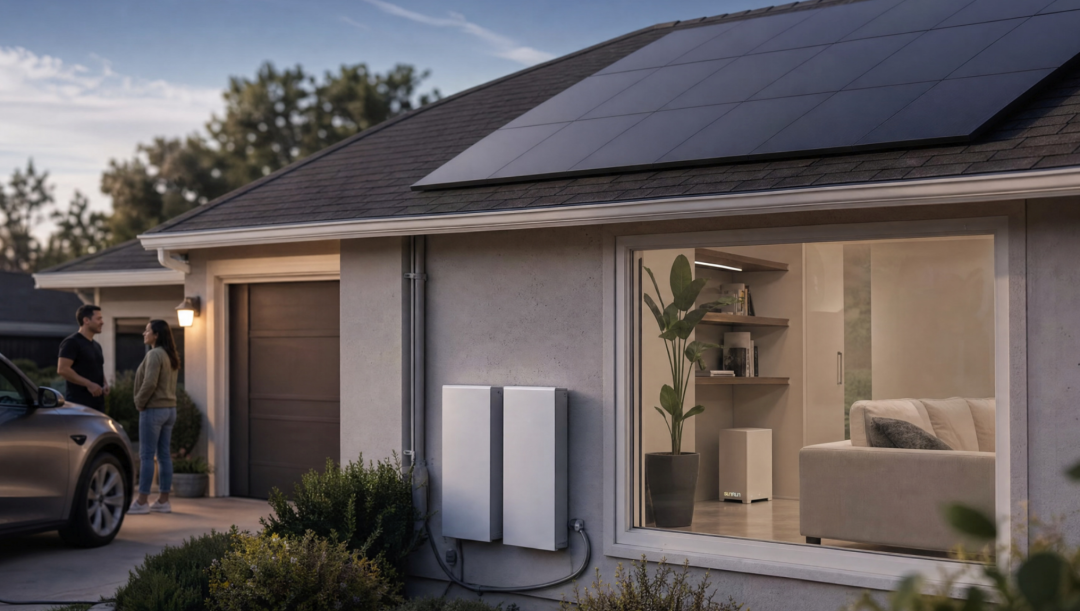
Sunrun's past model closely resembled that of an energy service company. Through zero-upfront-cost subscriptions, leases, or PPAs, it puts residential solar and storage into homes, and then generates revenue through electricity savings, backup value, and grid services. If distributed AI compute successfully runs its course, Sunrun will gain an additional new revenue curve: compute revenue. If that is the case, along with it, several new changes will emerge.
▍Customer value will be recalculated
In the past, the value of a residential customer primarily depended on energy bills, equipment lifespan, service fees, and grid program participation revenues. Now, it may additionally stack "node hosting compensation" and "compute capacity revenue." Customers are no longer just energy consumers, but have also become providers of energy and spatial resources.
▍The utilization rate of residential storage assets will increase
Many residential storage systems are not frequently dispatched most of the time. Virtual power plants are releasing this idle value through grid dispatch, whereas the addition of compute nodes could allow the same home solar-plus-storage system to serve more scenarios, increasing the economic density per unit of asset. Of course, whether compute nodes can truly improve residential storage utilization also depends on how compute workloads, electricity rates, battery cycling strategies, and grid services are coordinated. But at least from a commercial logic standpoint, Sunrun is attempting to let the same set of home energy assets generate more revenue streams.
▍The customer boundaries of residential storage companies are expanding
Previously, residential storage companies primarily faced households, electric utilities, and aggregators. Now, potential customers also include cloud providers, AI application companies, data center operators, edge compute platforms, homebuilders, and regional utility companies; the commercial boundaries of residential storage enterprises are being cracked wide open. It does not just sell electricity; it may also sell capacity and access to dispatch capabilities.
Sunrun also indicated that it is currently in discussions with enterprise compute buyers, residential developers, and utility partners regarding subsequent commercial and deployment frameworks. Future residential storage companies might not only sell electricity, equipment, and dispatch capabilities, but will also sell the access capability of distributed compute. Relying on energy equipment, monitoring systems, and service teams that have already entered homes, companies can scale up distributed inference capacity much faster without having to fully replicate the lengthy pipeline of traditional data centers spanning site selection, construction, to grid interconnection.
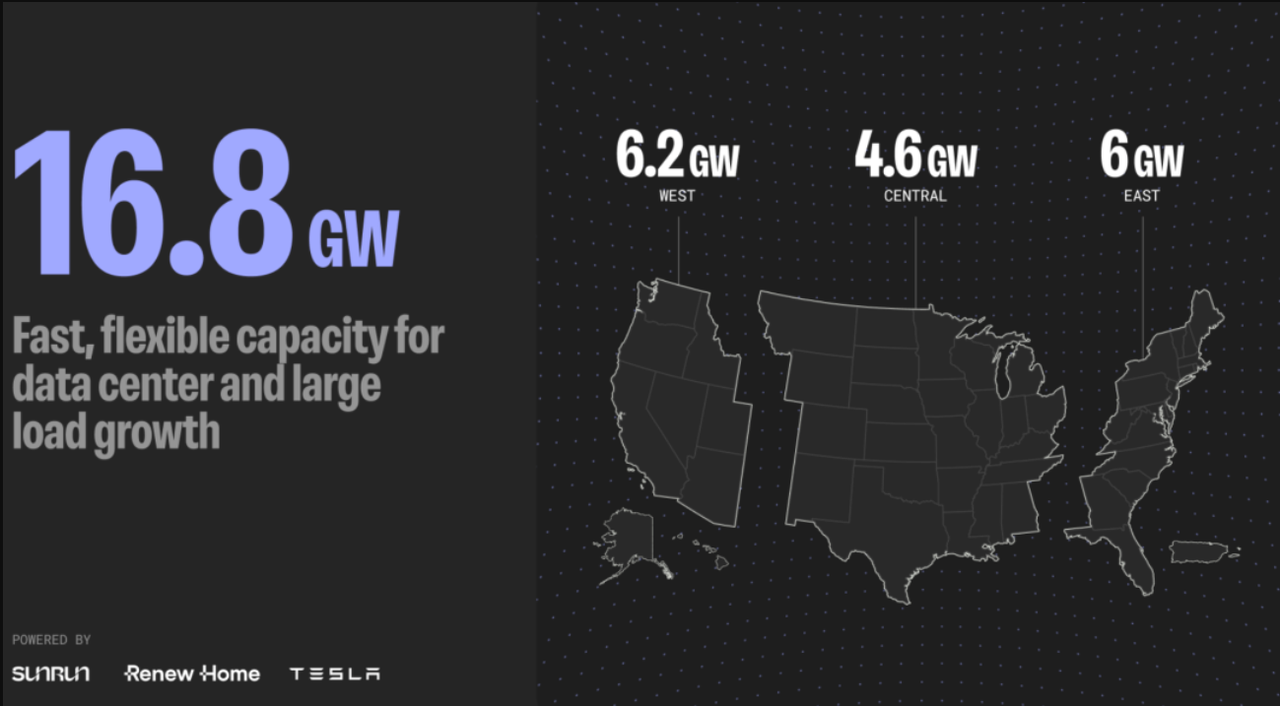
Prior to this AI compute pilot, Sunrun also announced collaborations with Renew Home and Tesla, planning to aggregate more than 16 GW of flexible home energy capacity to provide fast, flexible power support for hyperscalers and utilities. The two initiatives are distinct and separate, but they point toward the same underlying capability: organizing highly atomized home energy resources into a network that can be uniformly dispatched.
04 But This Still Remains Only a Pilot
What needs to be acknowledged is that Sunrun currently still defines this project as a pilot. The announcement did not disclose the specific number of compute nodes, single-node power wattage, chip types, total compute scale, household compensation standards, unit compute costs, system availability, or commercial contract pricing—and these are precisely the keys that determine whether this model can be replicated on a large scale.
A home environment, after all, is not a standardized data center. Once compute nodes enter residences, they must also confront a series of issues including heat dissipation, noise, space, electrical codes, maintenance responsiveness, insurance liabilities, privacy, and cybersecurity. Electricity rates and grid service regulations also vary across different states and utilities. Determining when the compute nodes run, whether they are powered by solar, batteries, or the grid, and how to avoid increasing household electricity bills and battery degradation all require a more sophisticated control system.
Therefore, at this stage, a more accurate statement is not that "the home data center model has matured," but rather that Sunrun is verifying whether the distributed energy infrastructure already existing in homes can further carry AI inference workloads.
05 Closing Thoughts
What truly deserves attention regarding this Sunrun pilot is not the act of moving a computing device into a home, but rather that it places the solar, batteries, and energy management systems scattered across thousands of households into the logic of AI infrastructure for the very first time.
As more and more household energy assets are connected, dispatched, and traded, residential solar-plus-storage will no longer just be equipment installed on roofs and in garages, but could instead become a distributed energy network, or even the underlying nodes of a distributed computing network. Although Sunrun has only conducted a single pilot, it has also allowed us to see that AI is pushing the boundaries of data centers all the way from massive campuses into millions of households.
Featured News
All News →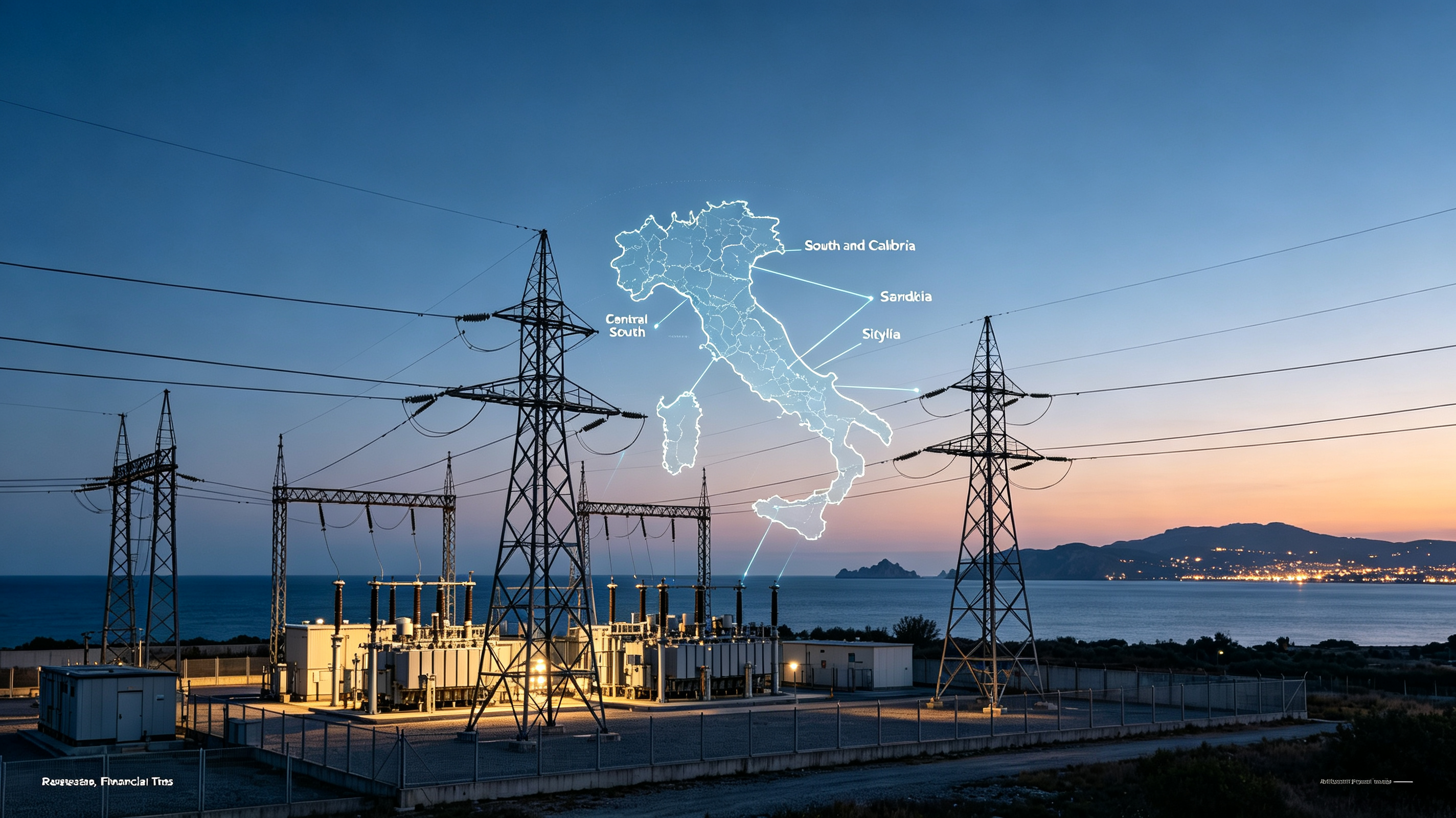
Italy Opens 16GWh Storage Auction Today as Second MACSE Round Expands by 60%
Italy will open its second MACSE energy storage auction on 24 November, procuring up to 16GWh of capacity from new projects scheduled for delivery in 2029. Compared with the first auction, procurement volume has increased by 60%, while the maximum permitted bid has been reduced from €37,000/MWh/year to €27,000/MWh/year. The results will provide a new indication of competition, regional deployment and current cost levels in Italy's energy storage market.

The Real Test Comes When the Grid Goes Down: 1,000 Witness MWh-Scale Diesel–Battery Microgrid Demonstration
A live MWh-scale demonstration at Sungrow GEPS 2026 showcased how battery storage, diesel generation and grid-forming technology can work together to deliver reliable power in off-grid applications. ENERGY PLANET joined the event to explore the technical highlights and their implications for future C&I energy storage projects.

Tesla Launches 7.4MW Powercore: Connecting Batteries Directly to the 34.5kV Grid and Medium Voltage to 800V Data Centres
Tesla has launched Powercore, a solid-state medium-voltage platform integrating transformer, bidirectional inverter and circuit-breaker functions. Rated at 7.4MW, it connects 800V–2,000V DC systems with 10kV–34.5kV AC networks, targeting battery storage, solar and 800V AI data centres. The first units are scheduled to operate in 2027, although Tesla has not disclosed pricing, customers or initial projects.
UPS Moves to the Grid Edge as Vertiv Launches 3 MVA Medium-Voltage System
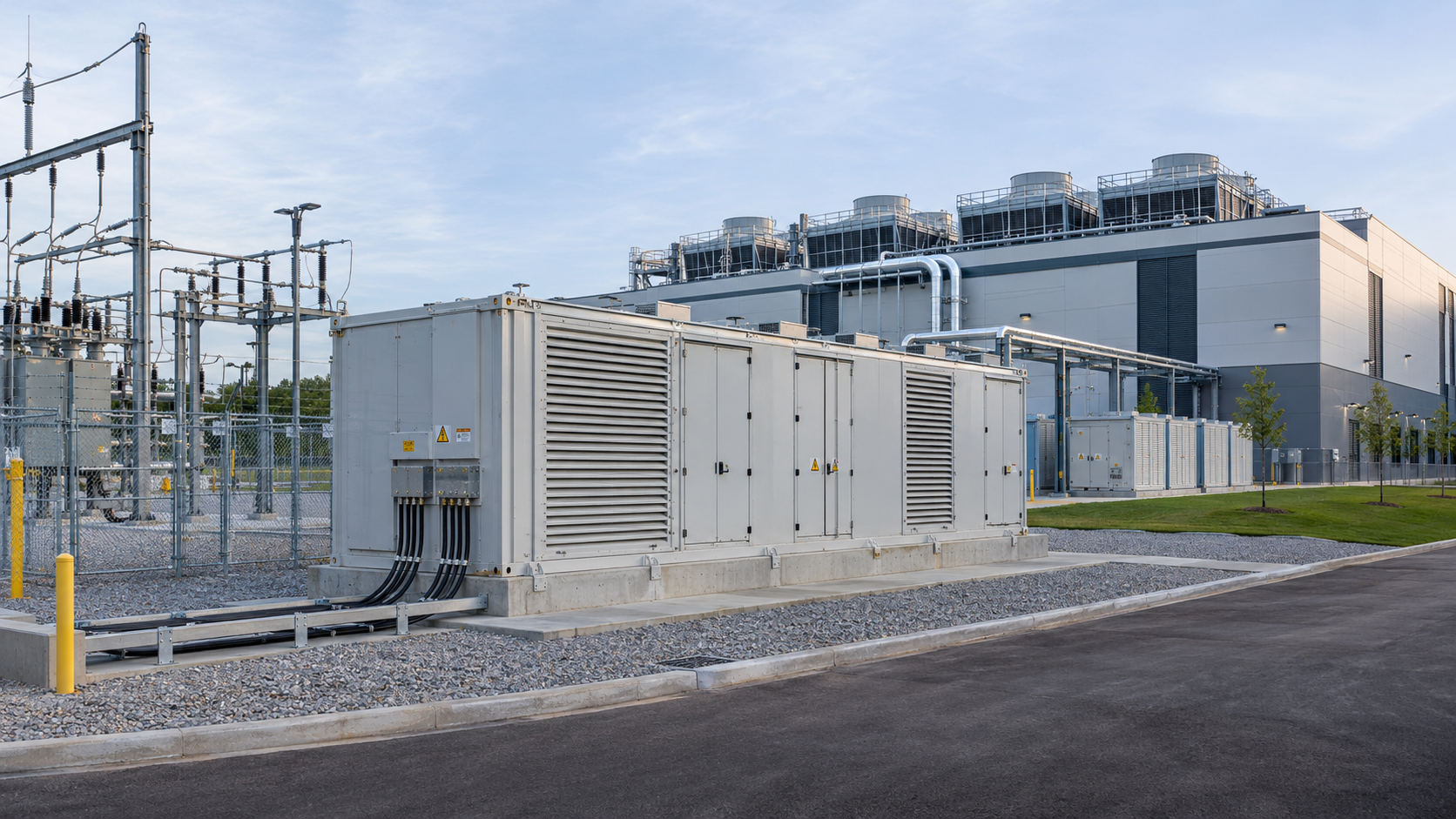
Vertiv has launched the 3 MVA PowerNexus MV UPS, moving UPS functionality from the indoor low-voltage side to the outdoor 34.5kV grid connection point. Designed for new and expanding AI data centres, the system integrates fault ride-through, AI load smoothing, power-quality control and one-to-four-hour battery backup. Following a proof-of-concept demonstration in Bologna, commercial shipments are expected to begin in mid-2027.

Envision Gen 8 Selected for 442 MWh Grid Forming BESS in Germany Taking Partnership Close to 600 MWh
Envision Energy and German storage developer ju:niz Energy are advancing the 442 MWh Smareg 13 project in Bavaria. The four-hour, grid-forming development is planned next to the operational Smareg 12 site, while public records currently show a 100 MW/401 MWh configuration and a March 2028 target date.

CATL Delivers First 8-Hour EnerQB Systems for Quinbrook's 24GWh Australian Pipeline
CATL and Quinbrook Infrastructure Partners have completed production and delivery of the first EnerQB long-duration energy storage systems. Designed for eight-hour discharge, the initial units will undergo a 12-month trial at Stanwell Power Station in Queensland, Australia. Quinbrook has identified a potential 3GW/24GWh project pipeline, although wider deployment will depend on trial results, financing, grid connections and subsequent procurement.

1.24GWh! Sungrow Supplies Europe's Largest Operational Energy Storage Project
BW ESS’s Hams Hall project in the UK has officially brought its first phase online, with 350MW/1.243GWh of capacity, making it the largest operational battery storage project in Europe. Sungrow supplied the BESS, with Energy-IO and other partners involved in project delivery. The project also secured a 10-year optimisation agreement with EDF, debt financing from international banks and equity investment from AIP, highlighting the full value chain behind Europe’s GWh-scale storage projects, from equipment supply and project delivery to commercial operations and financing.

BNEF's Q4 Energy Storage Tier 1 List Shrinks 26% to 50 Manufacturers
BloombergNEF has named 50 manufacturers to its Q4 2026 Tier 1 Energy Storage list. Based on publicly available company disclosures, Energy Planet has confirmed 19 of the manufacturers and compiled historical inclusion records for 12 of them. While a single appearance shows that a supplier met the criteria for that quarter, repeat inclusion offers a stronger indication of its ability to maintain a pipeline of qualifying projects. Tier 1 remains a measure of market adoption, however, rather than a product-quality ranking, corporate credit rating or substitute for project-level technical and financial due diligence.