On September 18, EVE Energy announced that its subsidiary EVE Power had signed a supply framework agreement with Fluence covering 2027–2031, with a total scale of 206 GWh. Of this, 16 GWh is committed for delivery in 2027, while a further 190 GWh of capacity is reserved for 2028–2031. Specific future purchases will still be subject to formal purchase orders.
At first glance, the 206 GWh figure is what attracts the most attention. But the more interesting question is what future pipeline Fluence expects to support by securing battery supply all the way through 2031. Given current U.S. policy and localization requirements, U.S. projects may not be the most direct destination for EVE's "international battery supply," while Fluence's large-scale Smartstack projects in Europe and other overseas markets are worth watching closely.
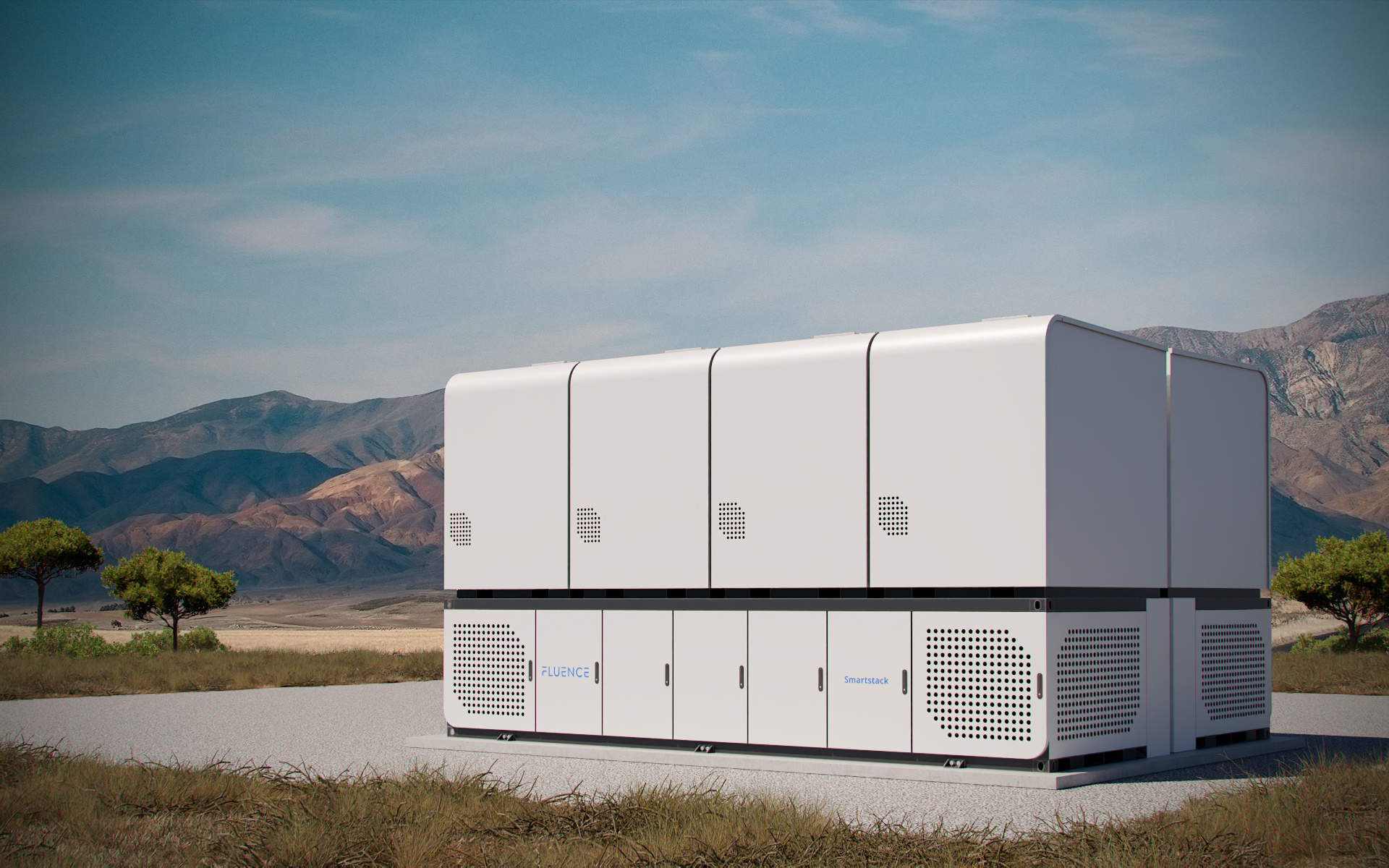
Fluence's largest single project to date is LEAG's 1 GW / 4 GWh GigaBattery Jänschwalde 1000 in Germany, which uses the Smartstack platform. In August this year, the two companies also started construction of a second battery storage project in Germany. At the same time, Fluence's global project pipeline continues to grow: as of June 30, 2026, the company had deployed 7.4 GW / 19.3 GWh of energy storage, its contracted backlog had risen to 12.6 GW, and its pipeline had reached 45.6 GW / 163.7 GWh, up 41.7 GWh from the end of September 2025.
For a system integrator with a pipeline already exceeding 160 GWh and projects increasingly moving into the GW scale, waiting until each project is fully developed before sourcing battery cells creates greater supply risk. Fluence has stated in its annual report that changing cell suppliers often requires renewed product development, validation and certification. The company is therefore expanding its base of Tier 1 battery suppliers and seeking long-term capacity commitments from suppliers.
Fluence's product architecture is also being prepared for a multi-supplier strategy. The Smartstack platform supports cells from different suppliers, while the capacity of a single system has been increased to 10 MWh this year, giving Fluence greater flexibility to deploy different battery sources across global projects.
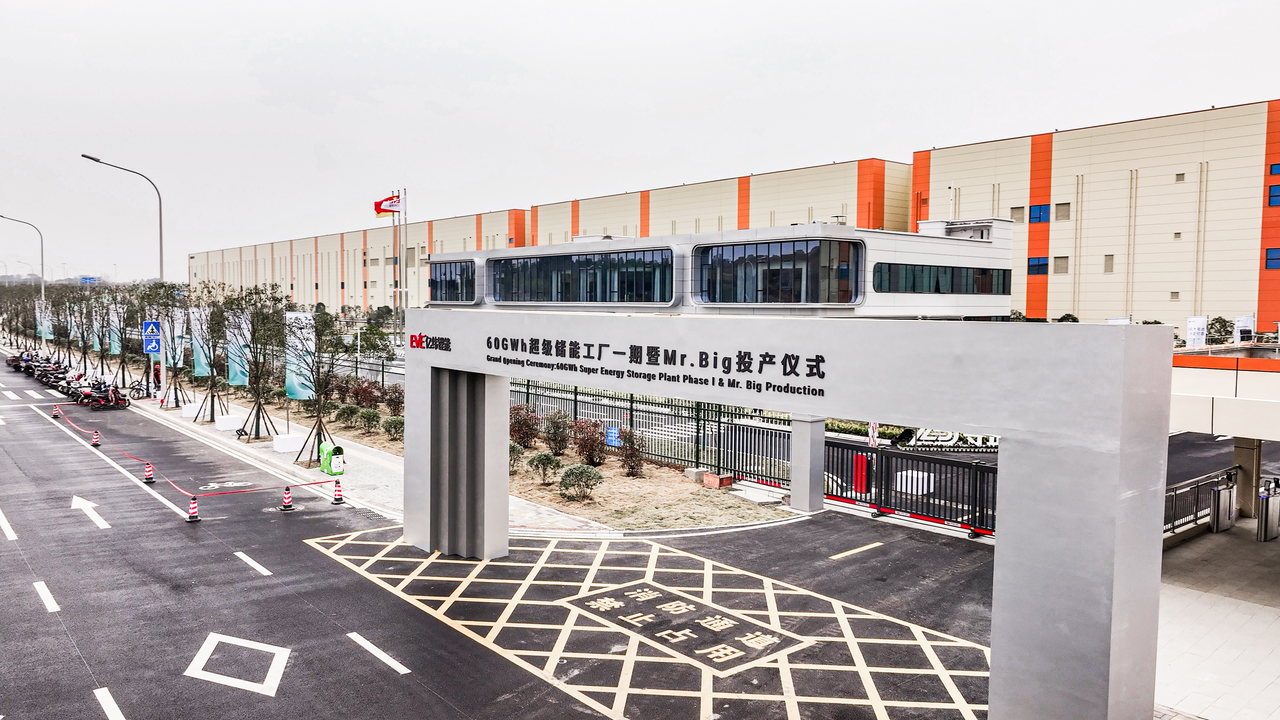
For EVE, entering such a long-term framework is first supported by its existing scale in energy storage battery production and delivery. EVE shipped 71.05 GWh of energy storage batteries in 2025 and another 44.46 GWh in the first half of 2026. Phase I of its 60 GWh Super Energy Storage Plant is already in operation, while its 628Ah Mr.Big cells have entered mass production and large-scale project deployment.
The 206 GWh framework is equivalent to roughly 2.9 times EVE's total energy storage battery shipments in 2025. But because the agreement is spread over five years, its greater value for EVE is the more stable long-term demand visibility it provides, supporting future capacity ramp-up and overseas business planning.
For now, the two companies have not disclosed pricing, minimum purchase obligations, how the 190 GWh of reserved capacity will be allocated by year, or which specific Fluence projects it may serve. So the key point to watch is not only the headline volume, but how much of the remaining 190 GWh will ultimately convert into firm purchase orders.